THE 100 = 75 RULE
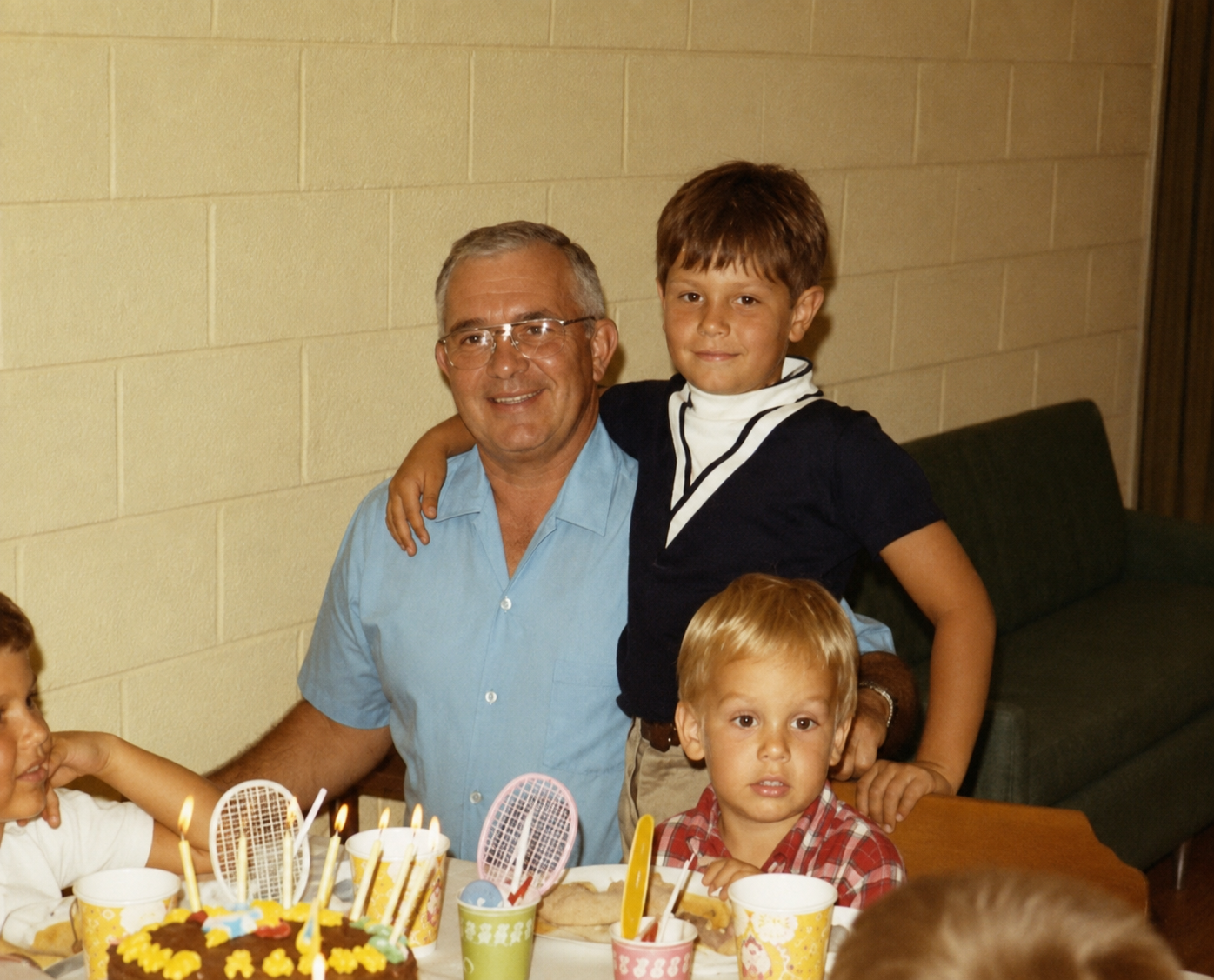
I remember DJ’ing to help get myself through college. While I was at Ohio State, I met my friend Brian Crompton at a DJ gig at the Roller Chalet in Westerville. As we became friends, we got the idea to start our own DJ company—weddings, school dances, parties, etc.
I remember coming home one night after DJ’ing a dance at Westerville South. I had to haul in my record crates, amps, speakers, coffin, and everything else that came with doing a mobile DJ gig.
It always seemed like loading in and loading out was more work than actually playing the gig. It was the part of the job I always complained about.
One day, my dad finally got tired of hearing me bitch about it and gave me a simple piece of advice that has stuck with me ever since:
“100% of your complaints account for 75% of your income.”
Plainly put, you don’t get paid for the fun, easy stuff that anyone can do. You get paid to be good at the stuff nobody wants to do.
He gave me another piece of advice that day:
“Do the things you hate first. That way, they’re done and out of the way.”
Simple advice, but I’ve carried both lessons with me throughout my career.
Too often, I see posts online or hear people complain about the parts of their jobs they don’t like. We all have them. But if I could offer one piece of advice, it would be this:
Don’t fight the stuff you hate. Embrace it.
Get good at it. Maybe even become better at it than everyone else.
Because the easy, enjoyable parts of a job are usually the things everyone wants to do. Your real value often comes from your willingness and ability to tackle the difficult, tedious, or uncomfortable things that other people avoid.
Success isn’t just about being great at the things you love.
Sometimes, it’s about being great at the things you’d rather not do.
And whenever I find myself complaining about those parts of the job, I can still hear my dad reminding me of The 100 = 75 Rule:
“100% of the hardships of the job account for 75% of your income.”
Funny how some of the best business advice you’ll ever get has nothing to do with business.
#Leadership #CareerAdvice #ProfessionalGrowth #WorkEthic #SuccessMindset #BusinessLessons #LifeLessons #PersonalDevelopment #Careers #CatThomasMedia
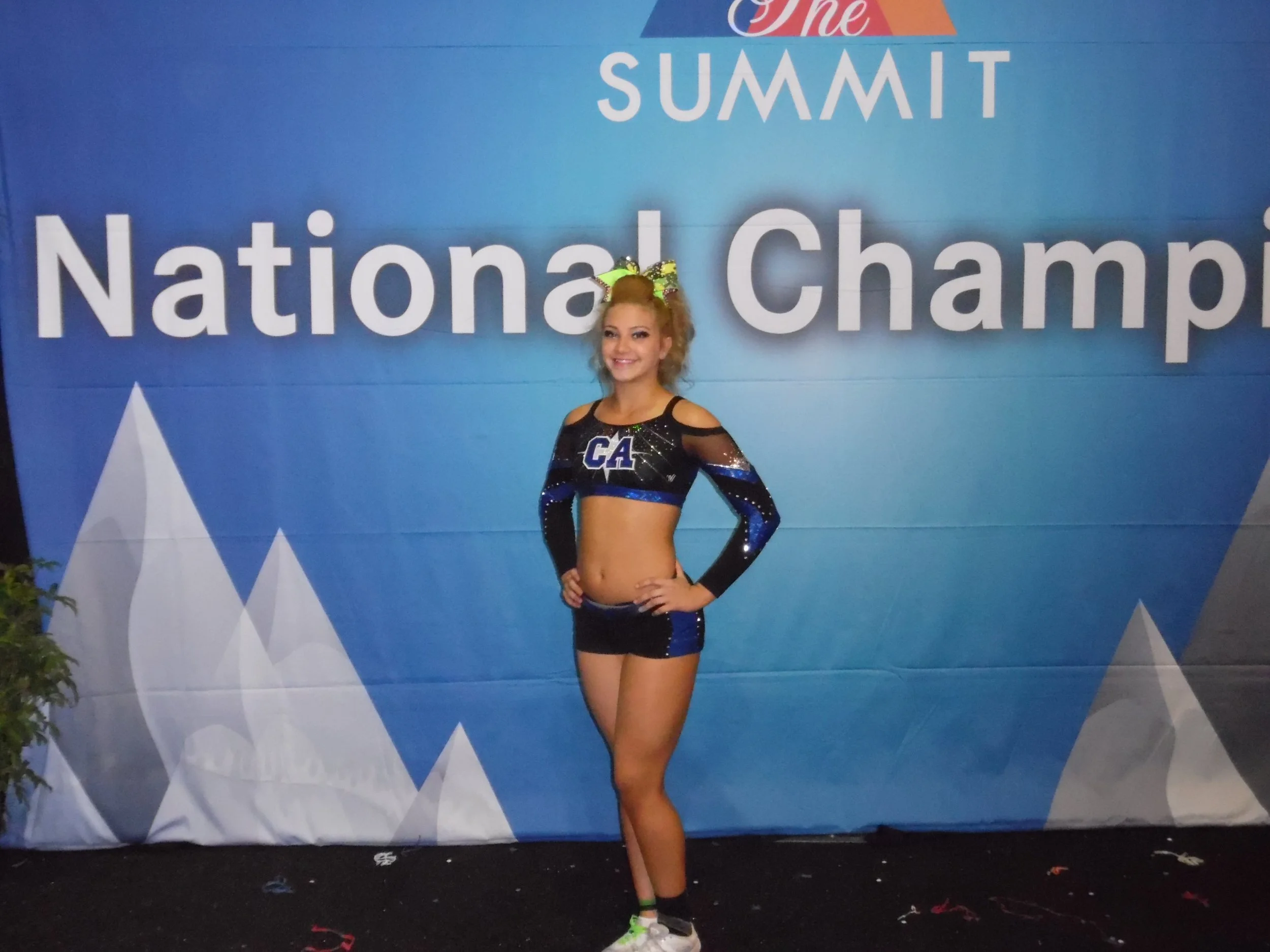
OMG…Every Business Needs More Cheerleaders!
Cheerleader at Summit in Orlando after winning the National Championship.
Every successful station I’ve run had a great group of cheerleaders.
They were engaging. Likable. Proud to carry the flag. Being associated with our brand wasn’t just a job to them—it was personal.
And because it mattered to them, they showed our audience and our clients why it should matter to them, too.
Unfortunately, what I’ve seen at far too many stations—and businesses in general—is that we’ve killed the cheerleaders.
Most of us who have spent our careers in radio, love radio.
We love the creativity. The people. The listeners. The competition. And yes, let’s admit it, we enjoy the occasional ego stroke that comes with success.
When people used to ask me about my job, I’d tell them, “Hey, it beats working for a living.”
And I meant it.
As long as I was making a decent living, my family was happy, I had decent benefits, and I was treated like a valuable member of the team, I was good. I don’t think I was ever the highest-paid person in the building. I was never particularly motivated by money. The folks on Shark Tank would probably think I’m nuts.
In fact, I regularly negotiated contracts for talent who made more money than I did. I was perfectly fine with that. Great talent could do things I couldn’t do. They were essential to my success, just as I was part of theirs.
For me, radio was never just a job. It was a lifestyle.
And I think you’ll find that same passion in many of the most successful people in any business.
When an “Expense” Walks Out the Door
What fascinates me is how many talented, passionate people have been downsized from our industry.
I understand why it happens. Someone, somewhere, is looking at a balance sheet. There’s a number that needs to be hit this quarter, and payroll is an easy line to see.
What’s much harder to see on that spreadsheet is the value of the relationships walking out the door. The talent. The programmer. The salesperson. The promotions person. The marketing person. The person who has spent years building relationships with listeners, advertisers, artists, managers, labels, community leaders, and local businesses. Those relationships have value. Sometimes, a lot of value.
I’ll leave names out to protect both the innocent and the guilty, but I’ve watched RIFs in multiple markets cost stations enormous amounts of local revenue. They won the quarterly battle and lost the war.
Then the explanation becomes: “The local market is declining.” But is it? Local advertising dollars haven’t simply disappeared. The bigger question is where those dollars are going—and why advertisers are choosing to spend them somewhere else.
Here’s the part we sometimes don’t want to admit: Clients don’t only buy stations. They buy people. They buy trust. They buy relationships. They buy the confidence that the person sitting across from them understands their business and can help them get results. It’s like kicking out your roommate who owns the couch and then complaining that you have nowhere to sit.
The Real Brand May Not Be Your Logo
We talk endlessly about our “brand.” But sometimes the real brand isn’t the logo, the frequency, the slogan, or the call letters. Sometimes the brand is the person your client trusts. Relationships matter.
I watched one RIF where, within days of someone leaving the building, several clients left too.
One client alone represented roughly four times what that employee was making. More than a year later, that client still refused to advertise with the company. Think about that.
The company saved a salary—and lost multiples of that amount in business. The product technically still existed. But in that buyer’s mind, the product they loved and had been buying was gone.
And Now There’s Another Problem
Today, talented people who are downsized have options they didn’t have 15 or 20 years ago. They can keep creating. They can build podcasts. They can produce video. They can create social content. They can consult. They can build their own brands and audiences.
And guess what? Advertisers can follow them.
That means radio isn’t always “losing” advertising dollars to digital. Most of the time, they are driving those dollars away themselves.
Someone who gets downsized isn’t going to sit home forever waiting for the phone to ring. They’re going to figure out how to make a living. And if they already have trust, relationships, an audience, and the ability to produce results, advertisers have plenty of ways to spend money directly with them.
Ratings and reach still matter. But so do trust, loyalty, relationships, and perceived results.
Would I Go Back?
Someone recently asked me if I would go back to working in radio. YES.
But only somewhere that understands that success creates revenue—not that revenue magically creates success.
I love this business. I love working with young talent and watching them grow. I love competing. Okay, honestly, I love fighting with competitors. Most of all, I love watching an audience get excited about their station.
What concerns me is how few companies seem willing to invest in the years of expertise and relationships that experienced people bring with them. Look around. There are some incredibly talented programmers, personalities, managers, and broadcasters sitting on the beach right now. People who could help develop the next generation of talent. People who could mentor young programmers. People who know how to build brands, create excitement, connect with communities, and generate revenue.
Instead of going to that well of knowledge, sometimes it feels like we’d rather keep moving the shells around and hope we get lucky enough to find the quarter underneath.
You Can’t Cut Your Way to Passion
Here’s the bottom line: You cannot keep cutting valuable assets and then expect clients to pay full price for a damaged product.
Years ago, Warren Buffett reportedly shared a thought with a friend of mine here in Las Vegas. I’ll paraphrase it because I wasn’t in the room:
You don’t save your way into prosperity.
That idea has stuck with me. Winning requires more than efficiencies. It requires belief in the organization. People who care whether it wins. People who carry the flag when nobody is asking them to. People whose enthusiasm becomes contagious to coworkers, listeners, clients, and the community.
Every great station I’ve ever been around had those people. They were the cheerleaders.
So if you want to build a successful brand instead of simply managing its decline…
EVERY BUSINESS NEEDS MORE CHEERLEADERS.
#Radio #Broadcasting #RadioIndustry #Media #Leadership #LocalRadio #RadioProgramming #TalentDevelopment #Advertising #CompanyCulture #BroadcastMedia #MediaLeadership
AI: Tool or Taskmaster?
Outside of politics, artificial intelligence might be the most divisive topic today.
There are legitimate concerns about privacy, cyberstalking, the collection of personal information, autonomous decision-making, and AI replacing human workers. Those concerns are real, and we need intelligent regulations that protect people without preventing innovation.
That said, I have several friends and family members who refuse to use AI in their jobs. I find that incredibly shortsighted. In fact, I have a friend who tells hiring managers during job interviews, “I won’t use AI.” So, what happens next? You know the answer. Next candidate.
Here’s what I’ve learned: Don’t give AI personal or confidential information. If you give it access to your banking records, private emails, medical information, passwords, or other sensitive parts of your life, you may be asking for trouble down the road. However, you still need to learn how to use AI as a tool.
Think about how technology transformed the media business. There was a time when companies relied almost entirely on scriptwriters, commercial artists, photographers, editors, and production specialists. Then came programs such as Adobe Photoshop and Illustrator, along with digital photography, computer graphics, and desktop video editing.
The people who adapted didn’t necessarily abandon their creativity. They used technology to work faster, improve the details, and expand what they could accomplish. Those who refused to adapt often found themselves left behind.
AI is another one of those turning points. I challenged my anti-AI friend to try living a truly AI-free life.
Get rid of Alexa. Disconnect the security system that recognizes faces or distinguishes people from packages. Cancel the streaming services that recommend what to watch. Stop using social media and search engines. Give up the smartphone, smart television, tablet, and many of the newer features in your car. AI is already embedded in many of the products and services we use every day.
I also find it ironic when someone complains about AI taking jobs while using CapCut or another app to create and post videos. That technology allows one person to do work that might once have required a video editor, photographer, videographer, graphic artist, or producer. Apparently, replacing someone else’s job with technology is acceptable—as long as the technology is working for you. Yes, that example is intentionally extreme. But it is difficult to claim that you want nothing to do with AI while benefiting from it every day.
Here is what we should demand. Intelligent regulation and responsible use. I don’t count on the companies to self regulate in the best interests of the public. So we need to find ways to make sure they play inside the lines.
AI used as a tool can be incredibly valuable. It can make creative people more efficient and help them turn ideas into reality without losing their original vision in someone else’s interpretation. It can organize information, refine language, generate possibilities, and handle routine tasks that consume valuable time.
AI given too much authority, too much personal information, or too little human oversight can be hazardous and extremely disruptive.
My advice is simple: Think of AI as a personal assistant—not your boss, your conscience, or your replacement. Don’t give AI anything you wouldn’t want displayed on a huge sign in your front yard. Be cautious about giving it access to personal or confidential information. Question its answers. Check its work. Make the final decisions yourself. But learn how to use it.
Let AI help you develop your vision, organize your thoughts, improve your communication, and handle simple, menial tasks. The idea should still be yours. The judgment should still be yours. The final product should still reflect you.
And, for the record, I wrote this article. AI performed the grammar and punctuation check.
See? My idea. My opinion. My voice. AI was simply the tool that kept me from looking like a fifth grader writing a book report.
#ArtificialIntelligence #FutureOfWork #ResponsibleAI #AIInTheWorkplace #DigitalTransformation #MediaInnovation #CareerDevelopment
Talent…You Need To Matter!
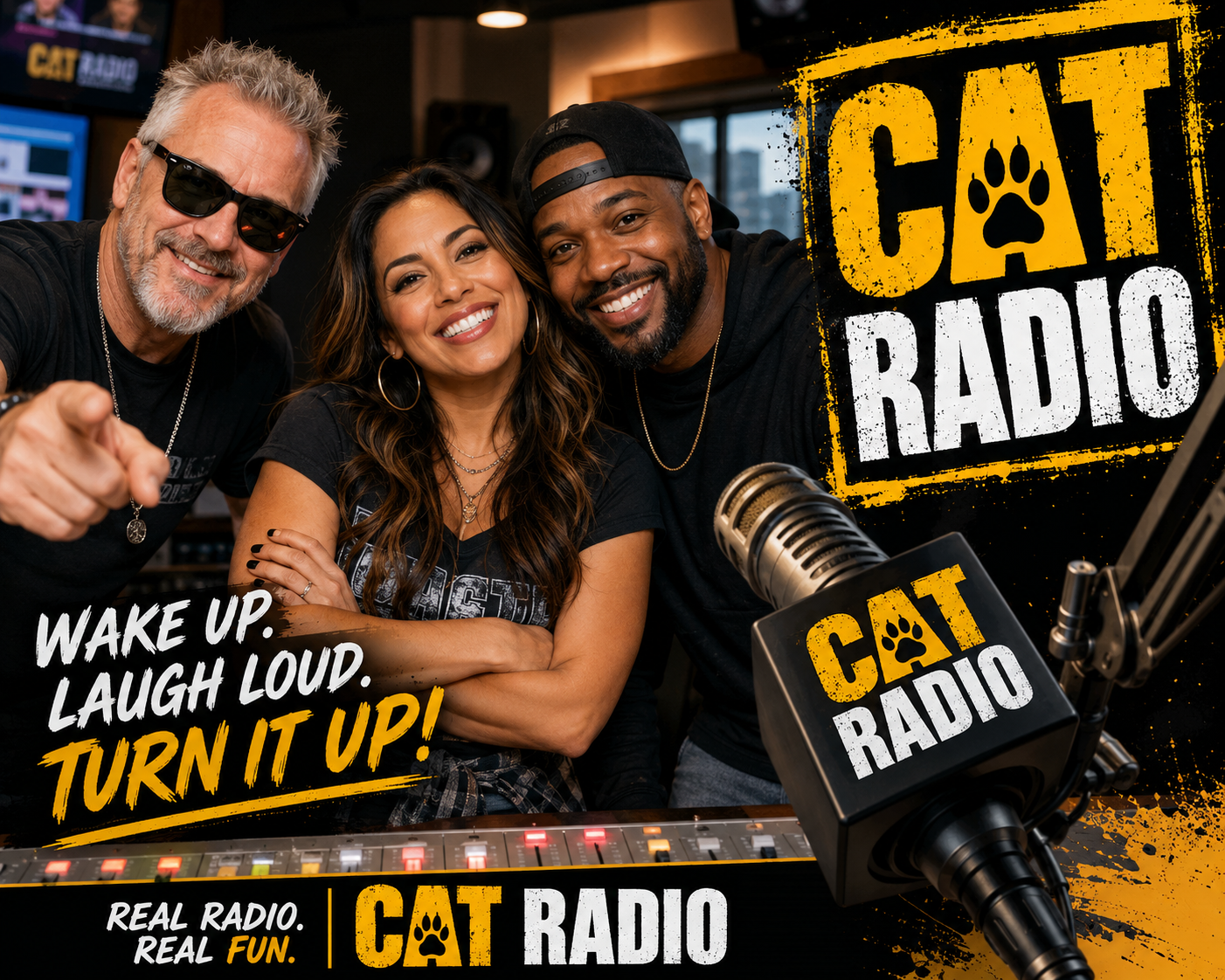
Three energetic radio hosts pose together in a modern broadcast studio promoting CAT RADIO. The lineup features a stylish white male host in his 50s, a smiling Latina female host in her 30s, and a Black male host in his 30s, standing behind a professional mixing console with CAT RADIO-branded microphone flags. Bold black and yellow graphics, broadcast equipment, and the slogan "Wake Up. Laugh Loud. Turn It Up!" create a high-energy morning radio show atmosphere.
We've all lived through layoffs, downsizing, and watching companies struggle while shareholders somehow continue to do just fine. If you want an interesting perspective on how some of today's wealthiest business leaders are beginning to think, watch Nick Hanauer's TED Talk. Whether you agree with every point or not, it's worth your time. https://www.youtube.com/watch?v=th3KE_H27bs
But as easy as it is to point fingers at corporate America, those of us in radio have to own our part of the industry's struggles. We can't control Wall Street. We can't control budget cuts. We can't control who owns our stations. What we can control is whether we matter.
I've always believed that being a great radio personality isn't a four-hour shift. It's a 24/7 lifestyle. That was true long before social media ever existed. The personalities who built legendary careers didn't just show up for their air shift and head home. They were where their listeners were. They were at clubs, concerts, football games, community festivals, pool parties, charity events, remote broadcasts, high school football tailgates, basketball watch parties, and they tuned in for promotions like Party Patrol, Party Cruises to Mexico, Concert & Movie Tickets, and other giveaways. They made weekends special.
They became part of the community—not just a voice coming out of a speaker. Today, social media influencers understand this better than many radio personalities do. They're constantly engaging their audiences, documenting their lives, creating conversations, and building loyal communities. So why aren't we matching that energy? We have every opportunity they do—and one massive advantage they don't. We have the radio.
If you think playing highly researched music, voice tracking a shift, or simply showing up for your four hours on the air is enough to build a lasting career, you're fooling yourself. There are certainly a few formats where a passive approach can survive. But more often than not, that's only because no one is seriously competing for your audience. The competitor that always worried me wasn't necessarily the station with the biggest signal or the best music logs. It was the station that was everywhere.
They showed up at college homecomings. Pool parties. Soccer tournaments. Community festivals. Everywhere listeners gathered, they were creating memories, relationships, and fans. Those relationships eventually followed people back to the radio. That's how brands are built.
Too often, stations become comfortable. Staff members get burned out. Management cuts budgets. There aren't enough people to cover events anymore. Then a hungry competitor comes along, outworks everyone, becomes part of the community, and suddenly the heritage station can't figure out why the ratings are slipping. It's simple. They stopped mattering.
One thing that always puzzled me was hearing personalities complain about working a two-hour remote on a Saturday that paid $100 an hour. I'd do the math for them. At $100 an hour, that's the equivalent of earning over $200,000 a year. Even $50 an hour works out to more than a $100,000 annual salary. Are we really going to complain about that? Honestly, some appearances I'd gladly do for free—not because I don't value my time, but because I value what those appearances can become.
Every handshake. Every selfie. Every conversation. Every new listener. That's creating your brand. Too many personalities think they're building the station's brand. They're actually building their own. If you aren't willing to invest in yourself, why should anyone else invest in you? Broadcasting isn't the right profession for people looking to punch a clock. The most successful personalities I've ever worked with viewed this business as a lifestyle, not a job.
They cared. They prepared. They embraced appearances. They built relationships. They understood that every interaction either strengthened or weakened their brand. There's another benefit many people overlook. Your listeners aren't just listeners. Many of them own businesses. Many of them make advertising decisions. One of our largest advertisers stayed with us for years because the CEO happened to play golf almost every weekend with our morning personality. To that CEO, he was golfing with a Las Vegas celebrity. That relationship resulted in years of advertising revenue and endorsement opportunities. The advertiser was a fan first. Never judge an appearance solely by the paycheck. Judge it by the relationships you'll build. Judge it by the fans you'll create. Judge it by the opportunities that might come from a single conversation. Because in today's world, your personal brand has never been more valuable. If you're a radio personality, part of your job is serving your community, engaging your audience, and constantly building your own brand.
The audience is always judging whether you care about them. And if you don't...Don't expect them to care about you.
If you need help building a local brand and audience interaction, feel free to connect with me. All my contact information is here: Cat Thomas Contact Info
#Radio #Talent #OnAir #MediaLeadership #BrandBuilding
THE HARD TRUTH FROM THE OTHER SIDE OF THE COIN
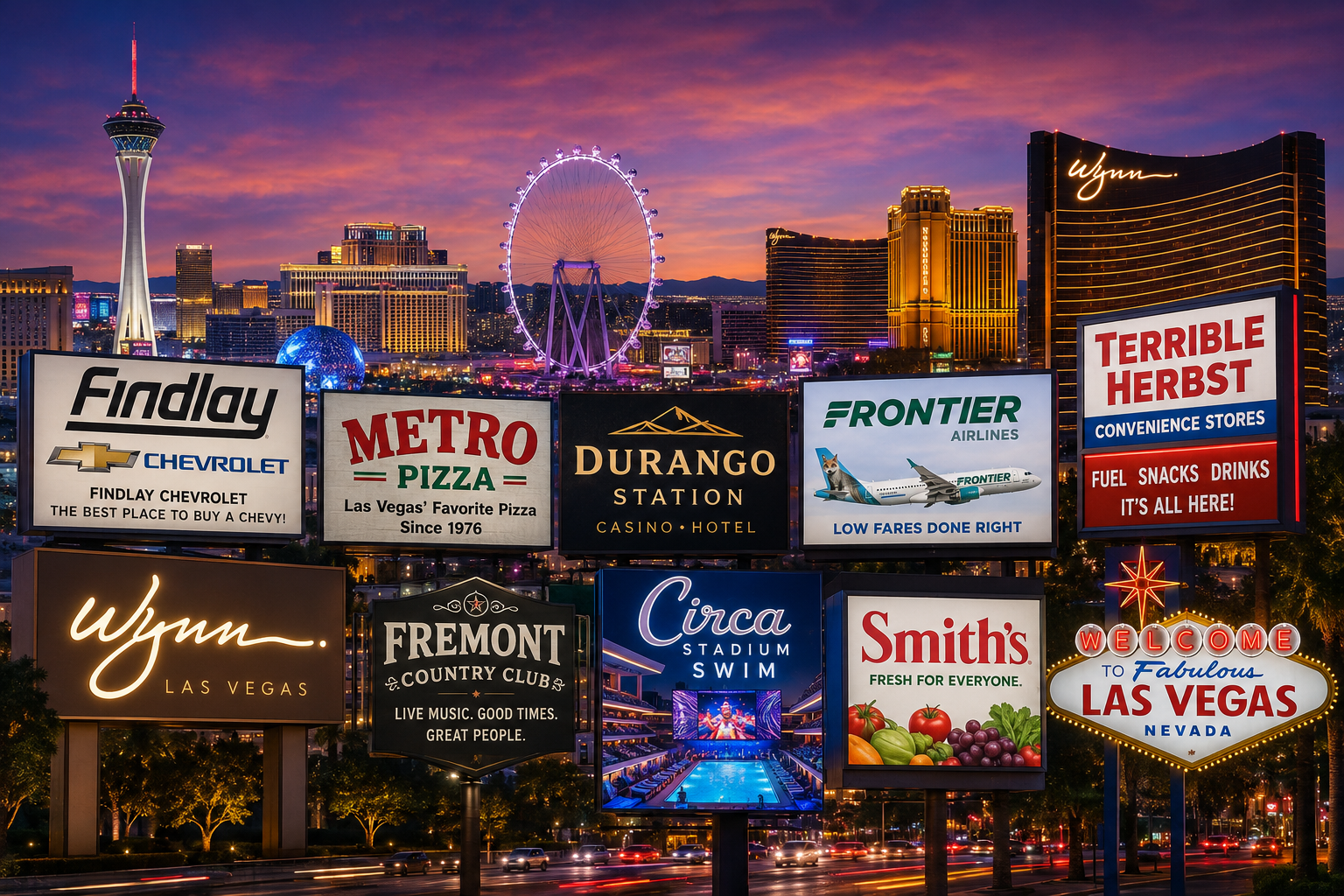
A colorful Las Vegas skyline at sunset with iconic landmarks including the STRAT Tower, the High Roller observation wheel, and the Wynn Las Vegas in the background. In the foreground, a series of large roadside billboards promote well-known local businesses, including Findlay Chevrolet, Metro Pizza, Durango Station, Frontier Airlines, Terrible Herbst, Wynn Las Vegas, Fremont Country Club, Circa Stadium Swim, and Smith's. The famous "Welcome to Fabulous Las Vegas" sign appears on the right side of the image. Neon lights, illuminated buildings, and evening traffic create a vibrant, energetic atmosphere that celebrates the city's entertainment and business community.
I know that what I’m about to say won’t land well with some, but it wouldn’t be the first time I’ve taken heat for being honest vs being nice. Like many in our industry, I have been RIF’ed, downsized, and covid’ed out of a gig. What has happened during that time has given me a different perspective. We like to think music, rotations, and cutting people in the name of efficiencies is the solution to our problems. It is not. What radio actually has is a product problem. I keep hearing how revenue has declined, that it is going to other sources; meanwhile, over the last 10 years, local advertising being spent has gone from $141 Billion in 2016 to $171 Billion in 2025. 2026 is on track to be the biggest year yet, with $184 billion being spent. This is from the BIA Advisory Services. https://www.bia.com/press-releases/bia-revises-2026-local-ad-forecast-total-spend-to-reach-184-5-billion-2/
Radio’s cry is that the money is going to digital and other sources. This is true. Radio’s piece of the pie is smaller but I’m going to say the quiet part out loud. It’s our fault. Much of broadcast media doesn’t realize that it no longer has a product to sell. We see the research that about 80% of American adults still use radio daily. So why isn’t that converting to audience and revenue? It’s pretty simple: our product is not as good as we convince ourselves that it is. Yes, there are great brands that do well, but does each market have as many brands that matter to the local audience as it did even 10 years ago? NO! I have witnessed this firsthand, and it breaks my heart. I have been able to help local businesses place advertising and help with their marketing. Being a HUGE proponent of radio, I want to implement radio as part of the strategy. For my efforts to support our industry, here are a couple of test case studies.
First, I dialed in a station where festival tickets matched the station’s brand. They wanted the buy of course, and the promotion. So, what happened? They took the buy to run the commercials but didn’t run any of the promos for the event as promised. They also failed to execute any promotions or giveaways. Only the spot buy ran to promote the event. Even the digital they promised didn’t go up until 2 days before the festival. They didn’t even realize it until I called it to their attention the week going into the festival. To scramble, they did a street hit the day before the festival to try and hand out all the tickets they had originally requested for on-air giveaway. Since the tickets are bar-coded, the return rate was horrible…actually ZERO! I didn’t need ratings to measure ROI, because the performance was measured by the ticket scan. The station lacked the bodies to execute what they promised, and honestly, they had no discernible talent to lend to the event. Basically, a station that was once a market leader is now a shell of itself. Every major local player in the advertising community knows it. What is sad is that upper management doesn’t.
Second, I set up a promotion with another local station. They did an ok job on air, but it was a built-in community event. From my previous experience, an easy, slam dunk gig. We paid a top-end remote fee for them to appear at the event and have their “main local personality” host. It was four hours, so we doubled the talent fee. Having come from that world, I always like to make sure the jock is appropriately compensated. The jock showed up two minutes late, so we had to hold the event kickoff until they got to the stage. They had nothing prepared even though they were given notes and the press release previous to the event. Luckily, the event coordinator had the release with all the information as they walked on stage. They spent the day stumbling while reading off the release. No preparation to know the material, no notes to make it sound like it was them hosting the event. As a former air talent, it was painful to watch. At one point, I wanted to grab the mic and host it myself. Kudos to the sales rep and street team as they got there early and did a good job on their setup.
This is what happens when you continue to devalue the need for people to create a real product.
I don’t blame the Market Manager, the salesperson, or even the talent & programming. It is a direct result of companies that stopped placing the primary value on the audience.
So here is the problem as I see it. Radio is viable. Radio has just abandoned its product. Without a product, the audience has no reason to stay. Then the revenue goes to where the product is engaging the audience. Listeners left for other forms of media; they left because we stopped being the top of the content creation chain and we stopped treating the audience as a valued member of our radio family. Look at social media influencers. They celebrate wins. They thank their followers online, they celebrate milestones, they do good in their communities, and they turn their audience into “fans” or “followers”. Many do the same bits we did… Hide cash and let people find the location. Create opportunities to be local heroes. Play games and silly interviews on the streets. Create parody songs.
The fact is, companies are cutting local personalities. I get that, but you can’t be mad when local businesses no longer want to use you for advertising. They know you don’t have a viable product. If you want to get back to gaining your share of that $184 billion in local ad spend, then you need to create talent and brands that drive engagement and stop fooling yourself that you are doing a good job by using talent outside your market and not building a local team that can meet the needs of the station. You need to understand that all ROI is not transactional, but built with a brand over time. As the saying goes, you can’t fix a problem until you admit you have one. Radio has a problem. It is self-inflicted. It stopped creating a quality local product. It’s chasing transactional ROI vs value ROI. It can be fixed, but commitment to quality must come first before you can drive real local revenue. If not, no issues. Just don’t complain when clients no longer see value in your local stations.
#Radio #Broadcasting #RadioIndustry #LocalAdvertising #AudienceEngagement #ContentStrategy #MediaLeadership #BrandBuilding
If you need help building a local brand and audience interaction, feel free to connect with me. All my contact information is here: Cat Thomas Contact Info
Next up, “What Talent Needs To Do To Matter”
This Is The Song Of The Summer!
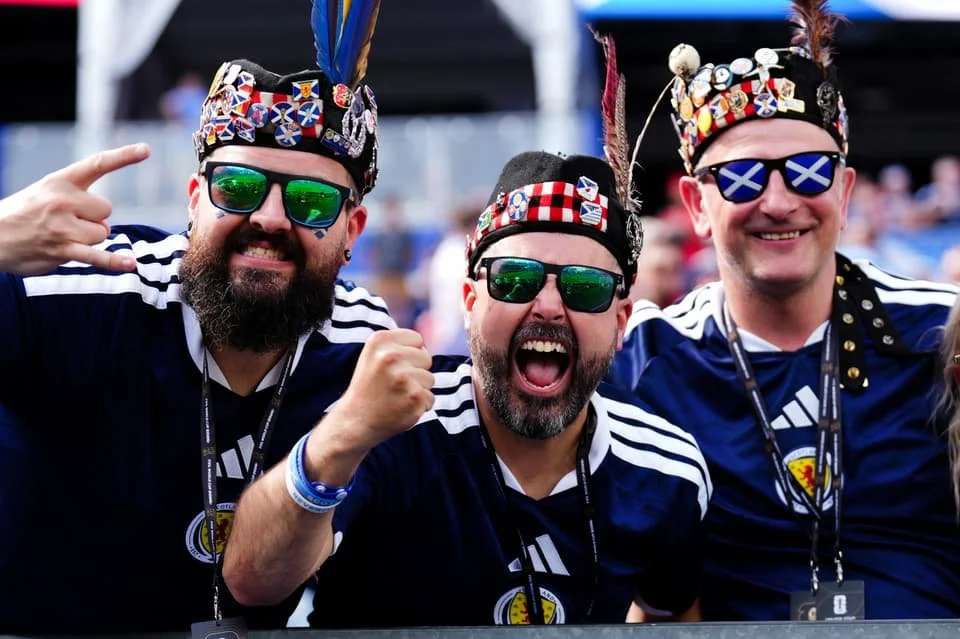
Credit standard.co.uk
I know the song of the summer! Every year, people attribute their summer memories to a song. In the past, songs like Baby Got Back, Macarena, and I Kissed a Girl, were all songs of the summer in their respective years. So, what is going to be the song of the summer this year? What will be that one track that brings back that feeling of freedom and fun? Twenty years from now, when we look back, there will be one undeniable earworm…“No Scotland, No Party”. Unless you’ve been under a rock, you have missed all the world’s cousins getting together for a giant sleepover party called “The World Cup.” It has been such a joy to see the citizens of the world, having fun, sharing culture, pints, shots, food, and even clothes with each other. This is what media used to do. Promote community, add joy to it’s audience, and basically create fans! This summer, seeing all the people around the world coming together to spread fun and joy has to be a real kick in the nuts to all the political figures around the globe! What we, the people, have come to realize is that we all seem to get along just fine, when we don’t listen to the ideas and beliefs of others.
Collectively, we have taken the wind out of the sails of hate. So as time goes on and we look back on the magical summer of 2026, hopefully we will remember it as the summer we turned the ship and showed that the people of 48 nations realized all our politicians and governments are pretty much full of it. It’s the summer that was defined by the people of the world sharing cultures, only to realize there is more that unites us than divides us. It was all led by the people in Kilts, who drank the city of Boston dry, brought fun and orange cones when we needed it most, and most importantly gave us the banger of the summer… “No Scotland, No Party!”
https://youtu.be/u6qZIbJmLX4
Shout out to Sarah Shinnie from the Tartan Army for the videos in the link above.
#WorldCup#Humanity#LifeLesson#NoScotlandNoParty#TartanArmy#SongOfSummer#Radio#Music
Welcome To Radio…
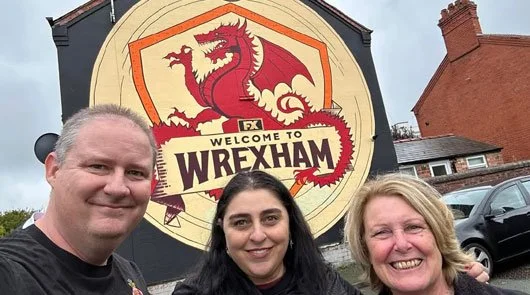
Welcome To Wrexham FX Poster
A couple of years ago, I became intrigued by Ryan Reynolds and Rob McElhenney’s purchase of Wrexham AFC, a low-level soccer club in Wales. What they built is more than a sports story — it’s a lesson the radio industry should study closely.
In 2021, they bought an undervalued asset with enormous potential for around $2.5 million. They then invested heavily in infrastructure, talent, and marketing. Club wage costs reportedly rose an additional $9.2 million annually by 2023–24, showing a commitment to improving the product rather than maximizing short-term profit.
The results have been extraordinary. Wrexham achieved three straight promotions through the English football pyramid, something no club had ever accomplished before. By 2025, the club’s valuation was estimated to be between $150 million and $350 million.
What can we learn from this?
1) The cost of talent is not a bottom-line drag but a way to drive top-line revenue.
2) Embracing community works. Ryan and Rob are celebrated for lifting the Wrexham community. They credit the fans for being a major part of the success of the organization.
3) Proving to be fair and trustworthy is more important than immediate profit.
4) The highest growth comes from investment in quality, not cutting budgets to make a bottom line.
5) Finally, Having fun! (Watch the pub scenes!)
These are great lessons to remember. Doing what’s right creates respect and trust. Lack of transparency creates distrust and resentment. Having a strategy that moves forward, even if it is a short-term financial drag, can be very rewarding if you stick to the plan. In the words of Sun Tzu, “Strategy without tactics is the slowest route to victory.”
#Wrexham #Radio #Media #Business #Lessons #growth
Help Save A Life
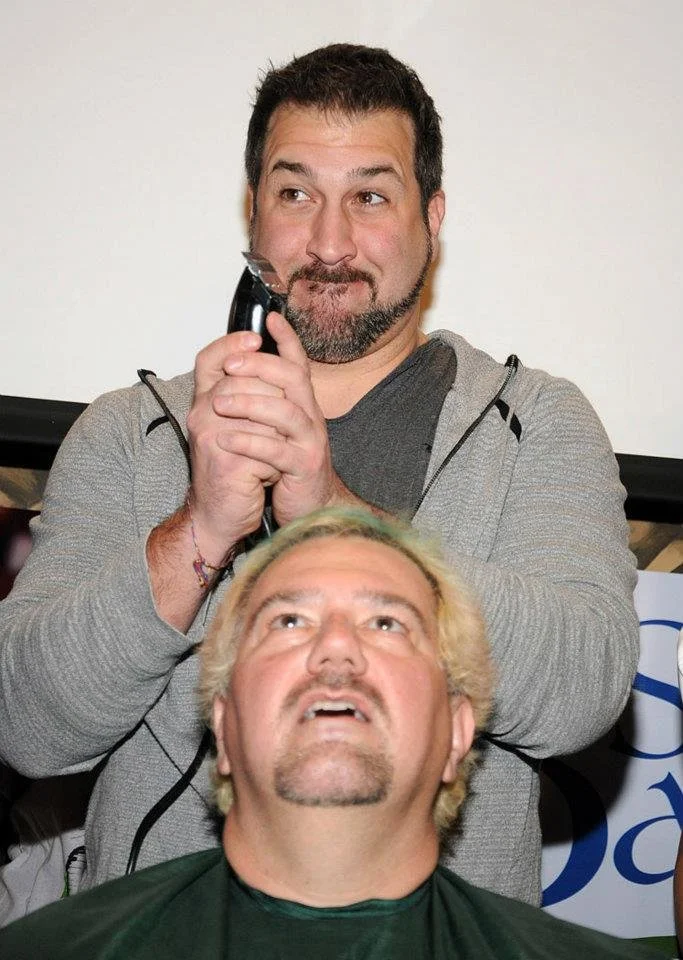
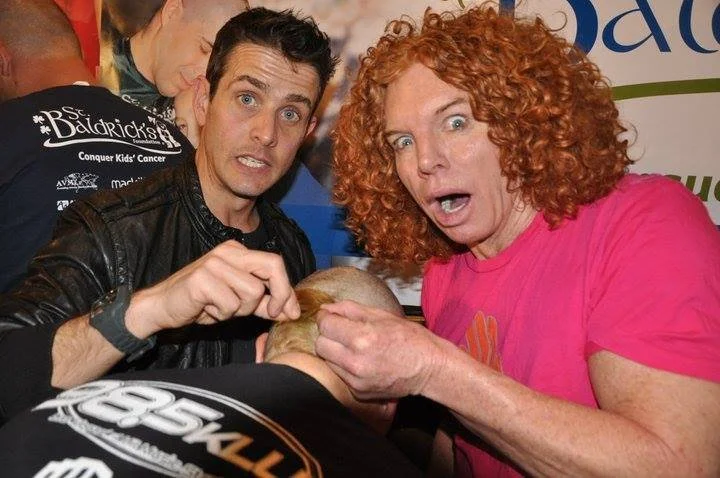
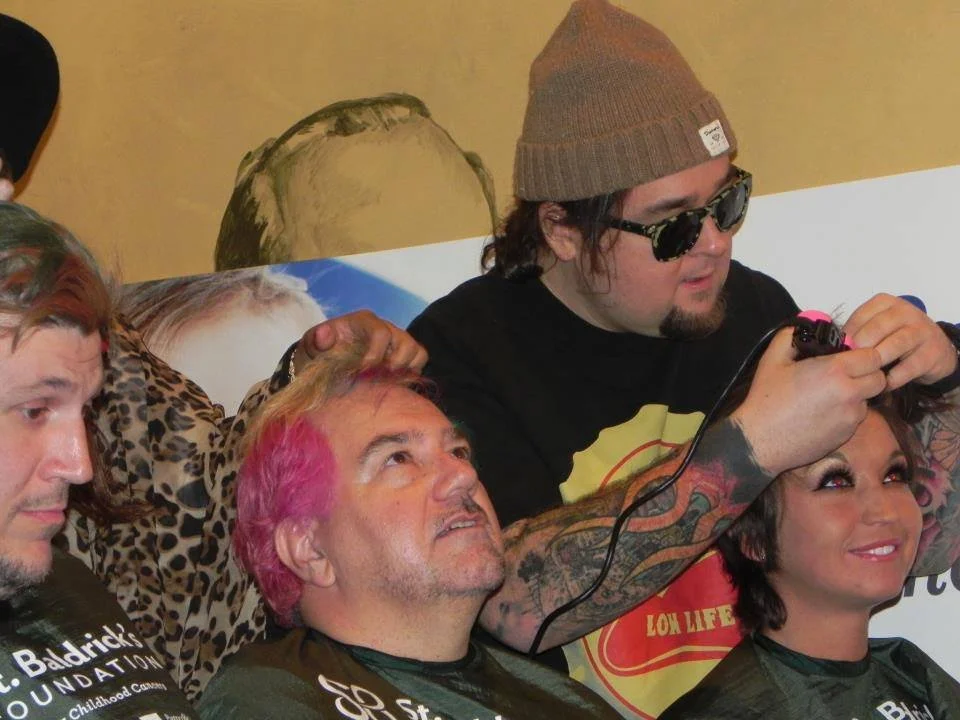
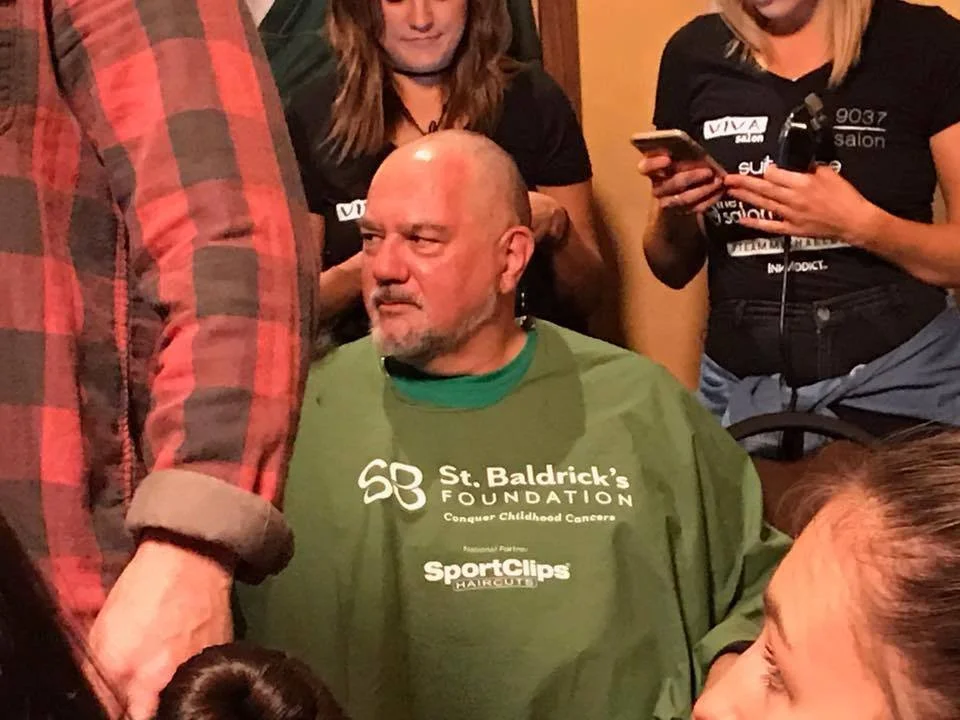
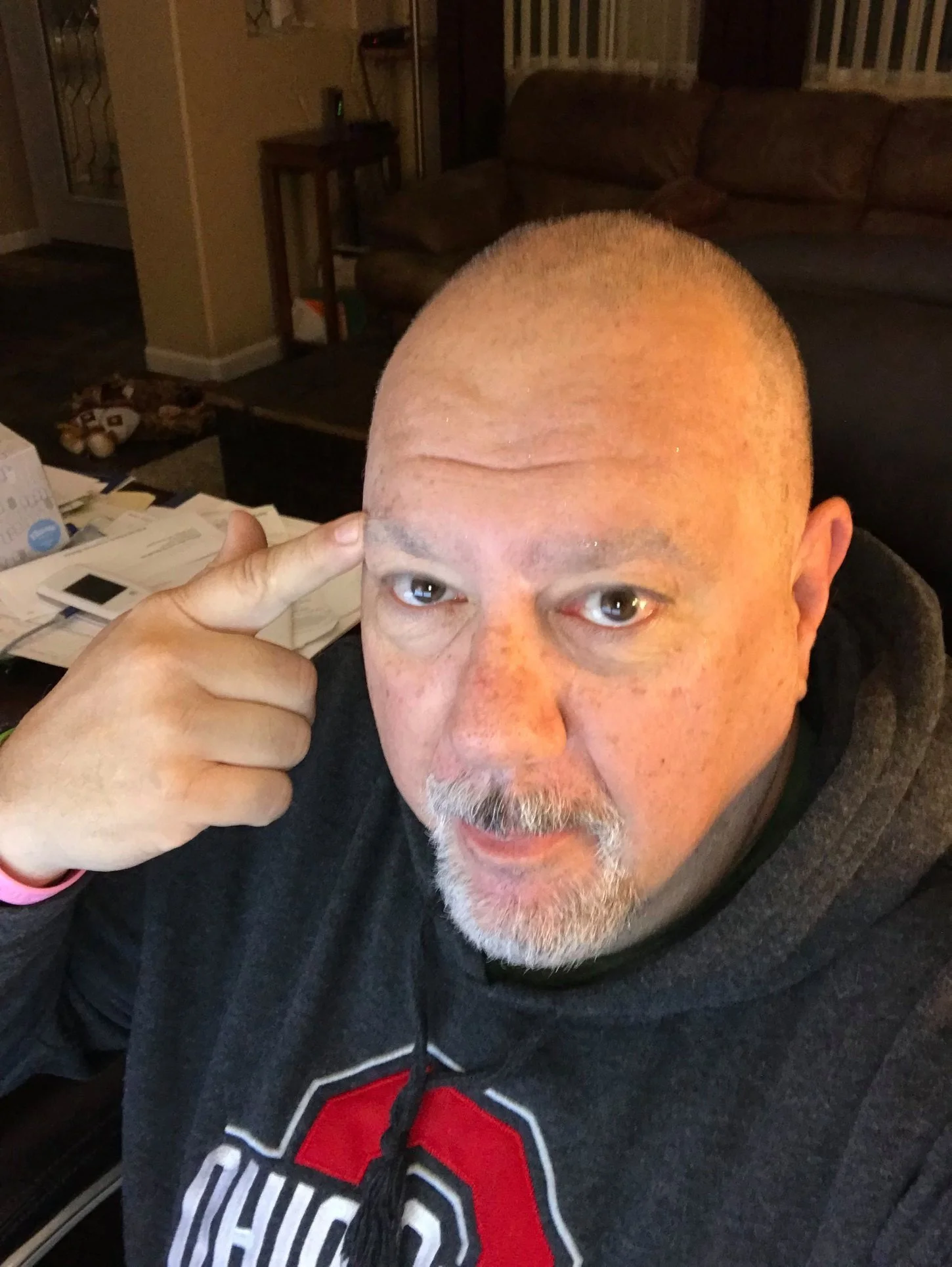
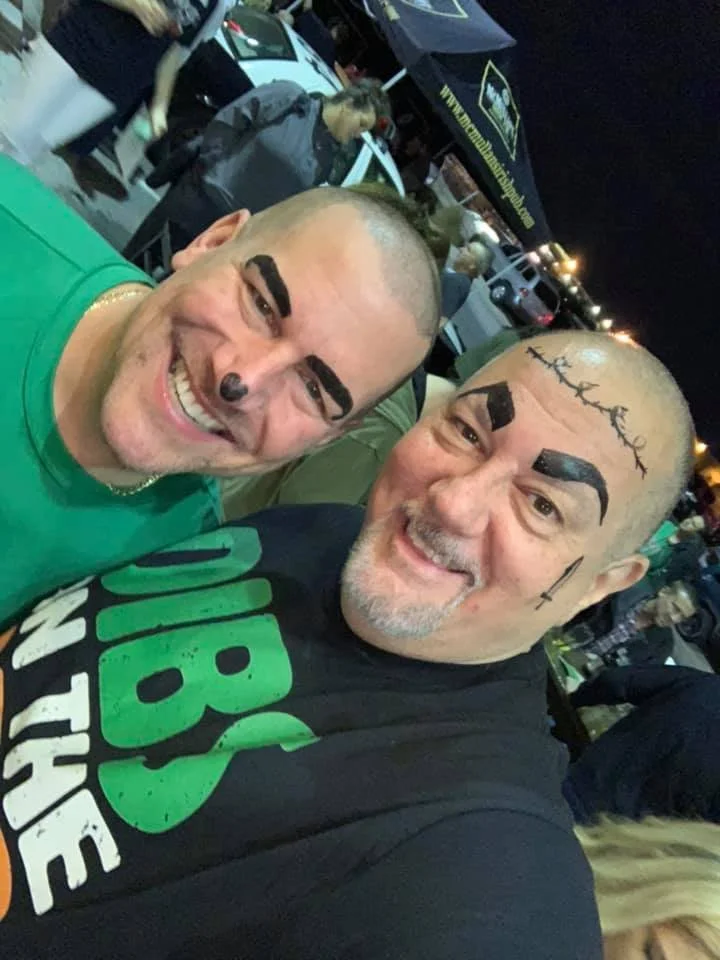
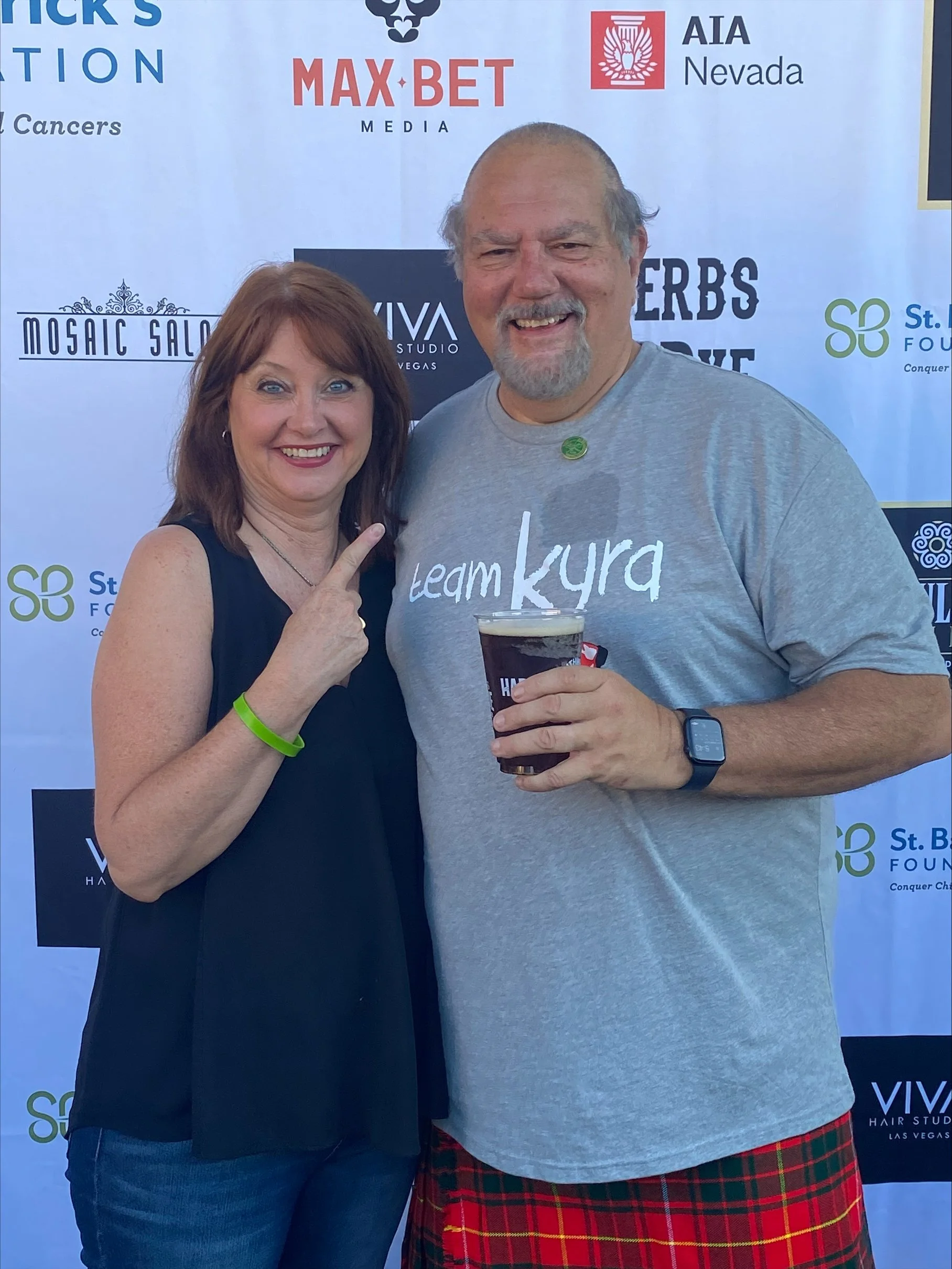
Every year for the last 17 years, I’ve shaved my head to raise money for the St. Baldrick’s Foundation for Childhood Cancer Research. What many people don’t know is that St. Baldrick’s was a big part of the Stem Cell research breakthrough. Through there funding of multiple research facilities, this breakthrough was one of the biggest in the last decade. If you get a minute, check out St. Baldrick’s to see all that they do to fight cancer. Like many, I have been affected in several ways. I lost my Mom when I was 4 years old to Ovarian Cancer. My sister in 2011 to Pancreatic cancer and one of my wife’s best friends who they were pregnant together and our sons were to be born about six weeks apart. Our son Robbie, was healthy. Our friend Aimee’s son, Jackson, was diagnosed with cancer within 2 months of birth. He lived 2 years before he died. If you have a dollar or two to spare, please consider donating to the cause. Here is the link: https://www.stbaldricks.org/participants/CatThomas2026 Also below is a gallery of photos from past events.
Five Things Everyone Should Learn On The Beach

Sometimes a break is what we need to gain perspective about the world around. Work, family, friends, and even perceptions. Sometimes we get so deep into what we do, especially in our work lives that we miss the obvious things. It’s seeing the forest through the trees. So I’ve compiled a quick list of five items that I learned on my vacation from the working world!
1) Take a Breath. Everyone loses a job, gets downsized, or gets replaced. For years if your ratings sagged, you got replaced. If you want to see insecurity, check out the coaching profession! You can win a championship, get a new contract and 18 months later, you are out. If you bring value to your mission, there is someone out there that will recognize it!
2) Be Self Aware. Too many people lament about being out of work. Most lack self-awareness. It is the “what I want”, vs “where is my true value.” I had a mentor once tell me the best exercise is to look yourself in the mirror and be honest. I loved being on the air, but there came a point where I looked myself in the mirror and realized that I could hire people more talented. So I decided to move in places where my strengths elevated my game. Success is always about putting the right butts in the right seats. I remember wanting to be a professional athlete when I was young. At some point I realized that was never going to happen. Life didn’t end, I just looked for something that fit my skill set. You don’t have to give up on your dreams, but you need to be self-aware enough to recognize what you do will and grow your capabilities.
3) Understand The Moment. Realize you are where you need to be at this point of your journey. When I was in my 20’s, I thought that I knew more than others with more experience. As I became more seasoned and my knowledge base grew, I realized I was not as smart as I thought I was. It reminds me of Guy Zapoleon’s “Cycle of Music”. As I got further in my career, I saw things repeat themselves. There are always variations, but the similarities and outcomes were a part of an already pre-determined cycle. For the young people today, Bell Bottoms are a horrible idea. You don’t think so today, but just wait and in 10 years, you will know I was right! The point is, don’t compare yourself to someone who has a more experience and gets paid for that knowledge. Instead, ask questions, learn and embrace where you are today. As my Dad used to tell me. When you are in your 20’s, your time is your biggest asset. Give it freely, treat everything as education and understand your opinion is not as valued as you believe it is. When you are in your 30’s, you will become more balanced. Your knowledge will start to become as valuable as your time. If you have done it right, from your 40’s and beyond, your knowledge will drive your livelihood. Never stop learning but now you are also a teacher to those coming up. Knowledge is power and power is a part of success. Use it to elevate not eliminate. By the way, my Dad became much smarter the older I got! Weird how that happens.
4) Never Fear Success. This has always been a tough one for me. Many times I have wanted to be entrepreneurial, but never in the fields of my expertise (or should I say, perceived expertise!). I have always felt more comfortable with a “stable” job. Maybe it was due to my family and wanting to make sure they had security. Maybe it was comfortable. Anyway, I was able to create a successful career for many years. I have built a network and have made great friendships along the way. To be honest, I’ve been very fortunate and I know that I had a lot of help along the way. However, the value placed on hard work and results are not rewarded as they have been in the past. If I could do one thing, it would have been to take more calculated risks and push out of my comfort zone. The one good thing…it’s never too late to start. Failure is scary, complacency is fatal.
5) Be Thankful. To me this has become the most important thing that I’ve learned…and like many lessons, I’ve learned it the hard way at times. I was like many others, when things go well, its all me. When things got a little sideways, well, someone other than me had to be to blame. The sooner I realized that almost no one becomes successful on their own, the easier it is to appreciate the help people gave me along the way. As I look back, I’m thankful for everyone who gave me guidance, who gave me opportunities, who gave me the finger (motivation works in mysterious ways!), and honestly, anyone who has given me time, effort, and friendship. Being thankful allows you to appreciate others and grow your network. Being thankful, being kind, and trying to do the right thing even when it’s hard costs little and usually pays off. Being a dick, usually doesn’t.
To AI or Not To AI?
There is so much controversy about AI these days. In the news, on social media, and now in our daily lives. AI has become a great tool, and many of us ask Alexa or Google Home to turn on the lights or play a song! It is also annoying when you try to call a company to get anything accomplished. I’m betting everyone here has at one point told an AI operator, “REPRESENTATIVE” multiple times in a very loud voice. As AI moves from a tool to a source of information, content creation, and production, it is interesting to get everyone’s take on how it affects their lives. In my hood, we have a big Oktoberfest party every year. With a live band, beer tent, food, etc. I love it because all the neighbors pitch in to bring food, coolers, chairs, tables, and to help set up & tear down. (Special shout out to Garrett & Melissa, who do the heavy lifting in case they read this!) The best part is getting to know neighbors and having conversations with everyone. Being in the media business, it was like having my own focus group of 70-80 people. They spoke about everything in their lives. Sparking my interest was the discussion and perception of AI. How people are seeing it more and more, in memes, social media, and even the concern that it is affecting what they can trust online, on TV, and on the radio. So I asked, who do they trust? What I found out clicked in my weird branding brain…They trust people and sources with whom they have a relationship. One named a broadcaster that they knew personally. They trusted the personal conversations and information they shared. So, it seems that the best asset any brand has is its people. In an era where media outlets are trying to cut the human cost of operating, what they are actually cutting is their credibility and trust from their communities. In many cases, these cuts only lead to less success…and ultimately more cuts. AI is a great tool, but will AI ever be able to create the trust and credibility that is desired with a personal touch? Can AI be used by humans to create content and also create relationships? Is the best way for a brand to win by investing in people while using AI as a tool? I have my own opinions, but more importantly, what do you think?
I’m A Realist…Who Is Also An Optimist
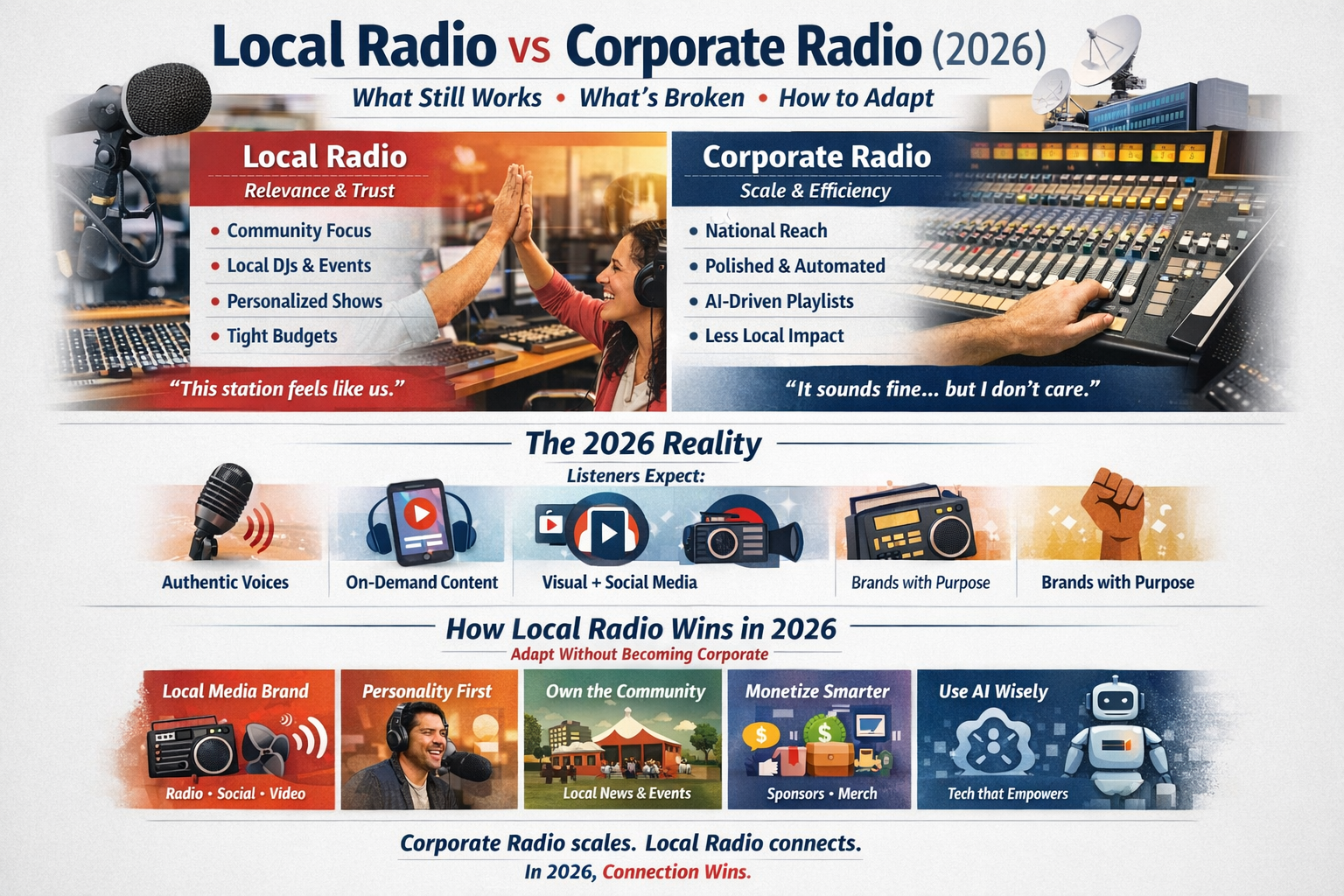
I saw a great post comparing the corporate radio world to local radio and all the wonderful things that could be if we were able to adopt the philosophies before consolidation. Local radio in my mind would be the goal. However, local rarely beats scale. I used to frequent the original Buffalo Wild Wings on campus at Ohio State. I used to bring back sauces and make wings for my staff at KLUC back in the day. Then B-Dubs franchised. One opened in Vegas, then seven. It became the spot for what we referred to as our “Friday Night Meetings”. Several staff members would meet there and brainstorm ideas for the station. The point is, B-Dubs went from being a spot on campus at Ohio State to one of the most successfull restaurants in America. Why? Scale.
Unfortunately, I'm a realist. I sat and broke down how the broadcast industry can recover the fun and excitement that drove the medium I grew up with and loved. There is only one way, and it would put major corporations out of business, but the only way to get there would be to re-regulate the industry. So, if I could wave a wand, here is how it would go...
1) There would be no foreign ownership of a licensed broadcast property.
2) No single company can own more than 80 signals nationally, and no more than 4 in a market. This would open up more individual ownership and diversity of programming.
3) You would need to change the Public Service rule to mandate at least three broadcast events per year that benefit the local community without profit to retain your license. You are allowed to cover expenses for those events, but beyond that, all profits must go to a community charity or betterment project. You can do more than 3 community events to derive profit, but there must be at least 3 that are pure community service.
4) These community service events would take the place of the PSA shows that get shoved into early Sunday morning, so those could be eliminated.
5) Next, you would need to limit the number of signals per market. Set up signal amounts based on market population. Basically, limiting one signal per 60,000 people in a market. The lowest limit cap being no less than 5 per market, and a cap of no more than 60 stations for the major markets.
By doing this for 10 years, we would prove to the market whether local radio can or cannot compete in a global world with streaming and other forms of digital media. It would be an interesting experiment.
Now...to be a realist, this will never happen in my lifetime. So it will take someone younger than me to press Congress to change the ownership rules, but from my lens, that is very far down the line, and that is if they (younger people) even care about preserving local radio at all. As I have told people, humans are the most adaptable species on the planet. Because if we weren't, we would all still be amoeba.
So the bottom line...that is a wish list. If we are going to be successful in 2026, we need to understand the landscape we are living in, and we all need to adapt and grow our skill sets beyond our comfort zone that we have lived in for most of our broadcast careers; otherwise, we are doomed to ride off into the sunset of irrelevancy. As I said, I'm a realist.
#change #leadership #growth #career #broadcasting