Talent…You Need To Matter!
Three energetic radio hosts pose together in a modern broadcast studio promoting CAT RADIO. The lineup features a stylish white male host in his 50s, a smiling Latina female host in her 30s, and a Black male host in his 30s, standing behind a professional mixing console with CAT RADIO-branded microphone flags. Bold black and yellow graphics, broadcast equipment, and the slogan "Wake Up. Laugh Loud. Turn It Up!" create a high-energy morning radio show atmosphere.
We've all lived through layoffs, downsizing, and watching companies struggle while shareholders somehow continue to do just fine. If you want an interesting perspective on how some of today's wealthiest business leaders are beginning to think, watch Nick Hanauer's TED Talk. Whether you agree with every point or not, it's worth your time. https://www.youtube.com/watch?v=th3KE_H27bs
But as easy as it is to point fingers at corporate America, those of us in radio have to own our part of the industry's struggles. We can't control Wall Street. We can't control budget cuts. We can't control who owns our stations. What we can control is whether we matter.
I've always believed that being a great radio personality isn't a four-hour shift. It's a 24/7 lifestyle. That was true long before social media ever existed. The personalities who built legendary careers didn't just show up for their air shift and head home. They were where their listeners were. They were at clubs, concerts, football games, community festivals, pool parties, charity events, remote broadcasts, high school football tailgates, basketball watch parties, and they tuned in for promotions like Party Patrol, Party Cruises to Mexico, Concert & Movie Tickets, and other giveaways. They made weekends special.
They became part of the community—not just a voice coming out of a speaker. Today, social media influencers understand this better than many radio personalities do. They're constantly engaging their audiences, documenting their lives, creating conversations, and building loyal communities. So why aren't we matching that energy? We have every opportunity they do—and one massive advantage they don't. We have the radio.
If you think playing highly researched music, voice tracking a shift, or simply showing up for your four hours on the air is enough to build a lasting career, you're fooling yourself. There are certainly a few formats where a passive approach can survive. But more often than not, that's only because no one is seriously competing for your audience. The competitor that always worried me wasn't necessarily the station with the biggest signal or the best music logs. It was the station that was everywhere.
They showed up at college homecomings. Pool parties. Soccer tournaments. Community festivals. Everywhere listeners gathered, they were creating memories, relationships, and fans. Those relationships eventually followed people back to the radio. That's how brands are built.
Too often, stations become comfortable. Staff members get burned out. Management cuts budgets. There aren't enough people to cover events anymore. Then a hungry competitor comes along, outworks everyone, becomes part of the community, and suddenly the heritage station can't figure out why the ratings are slipping. It's simple. They stopped mattering.
One thing that always puzzled me was hearing personalities complain about working a two-hour remote on a Saturday that paid $100 an hour. I'd do the math for them. At $100 an hour, that's the equivalent of earning over $200,000 a year. Even $50 an hour works out to more than a $100,000 annual salary. Are we really going to complain about that? Honestly, some appearances I'd gladly do for free—not because I don't value my time, but because I value what those appearances can become.
Every handshake. Every selfie. Every conversation. Every new listener. That's creating your brand. Too many personalities think they're building the station's brand. They're actually building their own. If you aren't willing to invest in yourself, why should anyone else invest in you? Broadcasting isn't the right profession for people looking to punch a clock. The most successful personalities I've ever worked with viewed this business as a lifestyle, not a job.
They cared. They prepared. They embraced appearances. They built relationships. They understood that every interaction either strengthened or weakened their brand. There's another benefit many people overlook. Your listeners aren't just listeners. Many of them own businesses. Many of them make advertising decisions. One of our largest advertisers stayed with us for years because the CEO happened to play golf almost every weekend with our morning personality. To that CEO, he was golfing with a Las Vegas celebrity. That relationship resulted in years of advertising revenue and endorsement opportunities. The advertiser was a fan first. Never judge an appearance solely by the paycheck. Judge it by the relationships you'll build. Judge it by the fans you'll create. Judge it by the opportunities that might come from a single conversation. Because in today's world, your personal brand has never been more valuable. If you're a radio personality, part of your job is serving your community, engaging your audience, and constantly building your own brand.
The audience is always judging whether you care about them. And if you don't...Don't expect them to care about you.
If you need help building a local brand and audience interaction, feel free to connect with me. All my contact information is here: Cat Thomas Contact Info
#Radio #Talent #OnAir #MediaLeadership #BrandBuilding

THE HARD TRUTH FROM THE OTHER SIDE OF THE COIN
A colorful Las Vegas skyline at sunset with iconic landmarks including the STRAT Tower, the High Roller observation wheel, and the Wynn Las Vegas in the background. In the foreground, a series of large roadside billboards promote well-known local businesses, including Findlay Chevrolet, Metro Pizza, Durango Station, Frontier Airlines, Terrible Herbst, Wynn Las Vegas, Fremont Country Club, Circa Stadium Swim, and Smith's. The famous "Welcome to Fabulous Las Vegas" sign appears on the right side of the image. Neon lights, illuminated buildings, and evening traffic create a vibrant, energetic atmosphere that celebrates the city's entertainment and business community.
I know that what I’m about to say won’t land well with some, but it wouldn’t be the first time I’ve taken heat for being honest vs being nice. Like many in our industry, I have been RIF’ed, downsized, and covid’ed out of a gig. What has happened during that time has given me a different perspective. We like to think music, rotations, and cutting people in the name of efficiencies is the solution to our problems. It is not. What radio actually has is a product problem. I keep hearing how revenue has declined, that it is going to other sources; meanwhile, over the last 10 years, local advertising being spent has gone from $141 Billion in 2016 to $171 Billion in 2025. 2026 is on track to be the biggest year yet, with $184 billion being spent. This is from the BIA Advisory Services. https://www.bia.com/press-releases/bia-revises-2026-local-ad-forecast-total-spend-to-reach-184-5-billion-2/
Radio’s cry is that the money is going to digital and other sources. This is true. Radio’s piece of the pie is smaller but I’m going to say the quiet part out loud. It’s our fault. Much of broadcast media doesn’t realize that it no longer has a product to sell. We see the research that about 80% of American adults still use radio daily. So why isn’t that converting to audience and revenue? It’s pretty simple: our product is not as good as we convince ourselves that it is. Yes, there are great brands that do well, but does each market have as many brands that matter to the local audience as it did even 10 years ago? NO! I have witnessed this firsthand, and it breaks my heart. I have been able to help local businesses place advertising and help with their marketing. Being a HUGE proponent of radio, I want to implement radio as part of the strategy. For my efforts to support our industry, here are a couple of test case studies.
First, I dialed in a station where festival tickets matched the station’s brand. They wanted the buy of course, and the promotion. So, what happened? They took the buy to run the commercials but didn’t run any of the promos for the event as promised. They also failed to execute any promotions or giveaways. Only the spot buy ran to promote the event. Even the digital they promised didn’t go up until 2 days before the festival. They didn’t even realize it until I called it to their attention the week going into the festival. To scramble, they did a street hit the day before the festival to try and hand out all the tickets they had originally requested for on-air giveaway. Since the tickets are bar-coded, the return rate was horrible…actually ZERO! I didn’t need ratings to measure ROI, because the performance was measured by the ticket scan. The station lacked the bodies to execute what they promised, and honestly, they had no discernible talent to lend to the event. Basically, a station that was once a market leader is now a shell of itself. Every major local player in the advertising community knows it. What is sad is that upper management doesn’t.
Second, I set up a promotion with another local station. They did an ok job on air, but it was a built-in community event. From my previous experience, an easy, slam dunk gig. We paid a top-end remote fee for them to appear at the event and have their “main local personality” host. It was four hours, so we doubled the talent fee. Having come from that world, I always like to make sure the jock is appropriately compensated. The jock showed up two minutes late, so we had to hold the event kickoff until they got to the stage. They had nothing prepared even though they were given notes and the press release previous to the event. Luckily, the event coordinator had the release with all the information as they walked on stage. They spent the day stumbling while reading off the release. No preparation to know the material, no notes to make it sound like it was them hosting the event. As a former air talent, it was painful to watch. At one point, I wanted to grab the mic and host it myself. Kudos to the sales rep and street team as they got there early and did a good job on their setup.
This is what happens when you continue to devalue the need for people to create a real product.
I don’t blame the Market Manager, the salesperson, or even the talent & programming. It is a direct result of companies that stopped placing the primary value on the audience.
So here is the problem as I see it. Radio is viable. Radio has just abandoned its product. Without a product, the audience has no reason to stay. Then the revenue goes to where the product is engaging the audience. Listeners left for other forms of media; they left because we stopped being the top of the content creation chain and we stopped treating the audience as a valued member of our radio family. Look at social media influencers. They celebrate wins. They thank their followers online, they celebrate milestones, they do good in their communities, and they turn their audience into “fans” or “followers”. Many do the same bits we did… Hide cash and let people find the location. Create opportunities to be local heroes. Play games and silly interviews on the streets. Create parody songs.
The fact is, companies are cutting local personalities. I get that, but you can’t be mad when local businesses no longer want to use you for advertising. They know you don’t have a viable product. If you want to get back to gaining your share of that $184 billion in local ad spend, then you need to create talent and brands that drive engagement and stop fooling yourself that you are doing a good job by using talent outside your market and not building a local team that can meet the needs of the station. You need to understand that all ROI is not transactional, but built with a brand over time. As the saying goes, you can’t fix a problem until you admit you have one. Radio has a problem. It is self-inflicted. It stopped creating a quality local product. It’s chasing transactional ROI vs value ROI. It can be fixed, but commitment to quality must come first before you can drive real local revenue. If not, no issues. Just don’t complain when clients no longer see value in your local stations.
#Radio #Broadcasting #RadioIndustry #LocalAdvertising #AudienceEngagement #ContentStrategy #MediaLeadership #BrandBuilding
If you need help building a local brand and audience interaction, feel free to connect with me. All my contact information is here: Cat Thomas Contact Info
Next up, “What Talent Needs To Do To Matter”

This Is The Song Of The Summer!
Credit standard.co.uk
I know the song of the summer! Every year, people attribute their summer memories to a song. In the past, songs like Baby Got Back, Macarena, and I Kissed a Girl, were all songs of the summer in their respective years. So, what is going to be the song of the summer this year? What will be that one track that brings back that feeling of freedom and fun? Twenty years from now, when we look back, there will be one undeniable earworm…“No Scotland, No Party”. Unless you’ve been under a rock, you have missed all the world’s cousins getting together for a giant sleepover party called “The World Cup.” It has been such a joy to see the citizens of the world, having fun, sharing culture, pints, shots, food, and even clothes with each other. This is what media used to do. Promote community, add joy to it’s audience, and basically create fans! This summer, seeing all the people around the world coming together to spread fun and joy has to be a real kick in the nuts to all the political figures around the globe! What we, the people, have come to realize is that we all seem to get along just fine, when we don’t listen to the ideas and beliefs of others.
Collectively, we have taken the wind out of the sails of hate. So as time goes on and we look back on the magical summer of 2026, hopefully we will remember it as the summer we turned the ship and showed that the people of 48 nations realized all our politicians and governments are pretty much full of it. It’s the summer that was defined by the people of the world sharing cultures, only to realize there is more that unites us than divides us. It was all led by the people in Kilts, who drank the city of Boston dry, brought fun and orange cones when we needed it most, and most importantly gave us the banger of the summer… “No Scotland, No Party!”
https://youtu.be/u6qZIbJmLX4
Shout out to Sarah Shinnie from the Tartan Army for the videos in the link above.
#WorldCup#Humanity#LifeLesson#NoScotlandNoParty#TartanArmy#SongOfSummer#Radio#Music

Welcome To Radio…
Welcome To Wrexham FX Poster
A couple of years ago, I became intrigued by Ryan Reynolds and Rob McElhenney’s purchase of Wrexham AFC, a low-level soccer club in Wales. What they built is more than a sports story — it’s a lesson the radio industry should study closely.
In 2021, they bought an undervalued asset with enormous potential for around $2.5 million. They then invested heavily in infrastructure, talent, and marketing. Club wage costs reportedly rose an additional $9.2 million annually by 2023–24, showing a commitment to improving the product rather than maximizing short-term profit.
The results have been extraordinary. Wrexham achieved three straight promotions through the English football pyramid, something no club had ever accomplished before. By 2025, the club’s valuation was estimated to be between $150 million and $350 million.
What can we learn from this?
1) The cost of talent is not a bottom-line drag but a way to drive top-line revenue.
2) Embracing community works. Ryan and Rob are celebrated for lifting the Wrexham community. They credit the fans for being a major part of the success of the organization.
3) Proving to be fair and trustworthy is more important than immediate profit.
4) The highest growth comes from investment in quality, not cutting budgets to make a bottom line.
5) Finally, Having fun! (Watch the pub scenes!)
These are great lessons to remember. Doing what’s right creates respect and trust. Lack of transparency creates distrust and resentment. Having a strategy that moves forward, even if it is a short-term financial drag, can be very rewarding if you stick to the plan. In the words of Sun Tzu, “Strategy without tactics is the slowest route to victory.”
#Wrexham #Radio #Media #Business #Lessons #growth
Help Save A Life
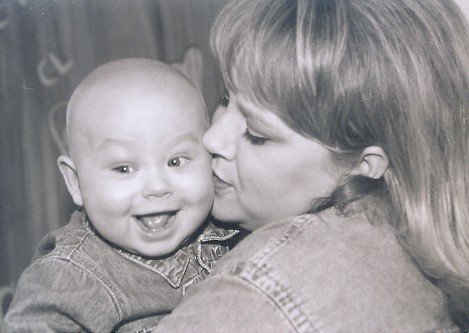
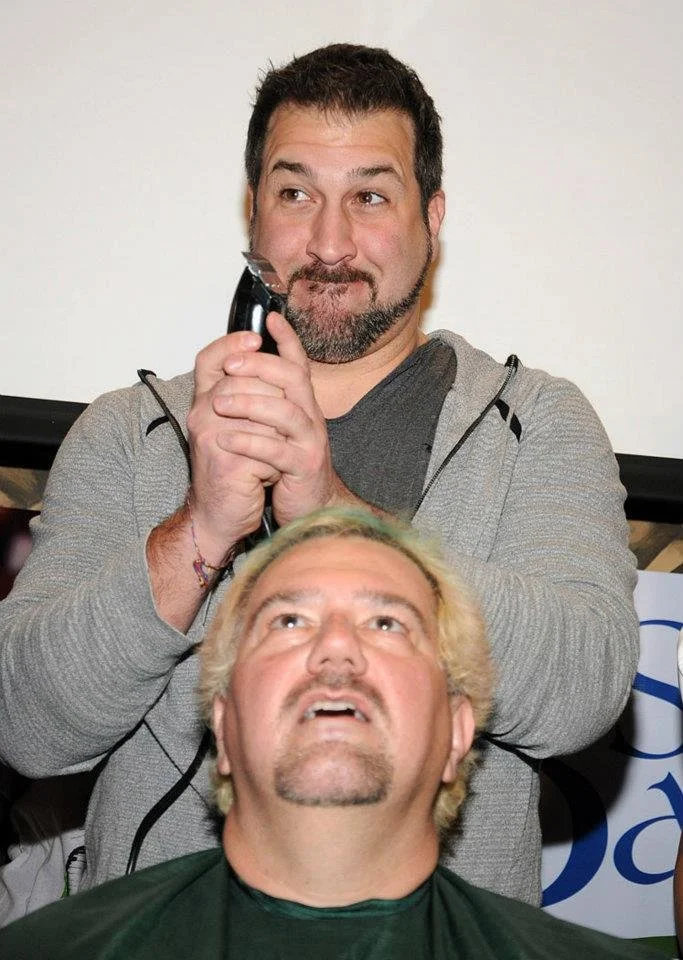
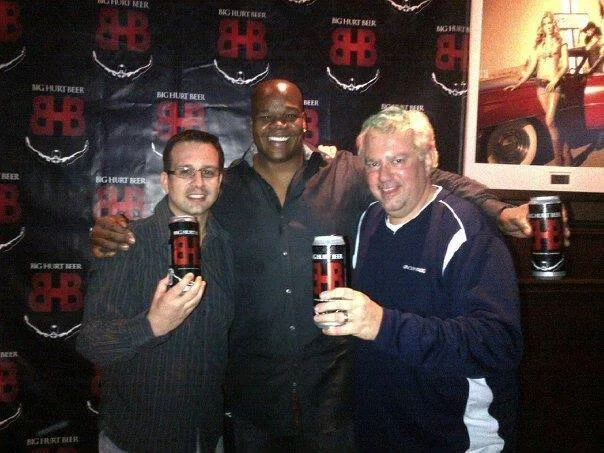
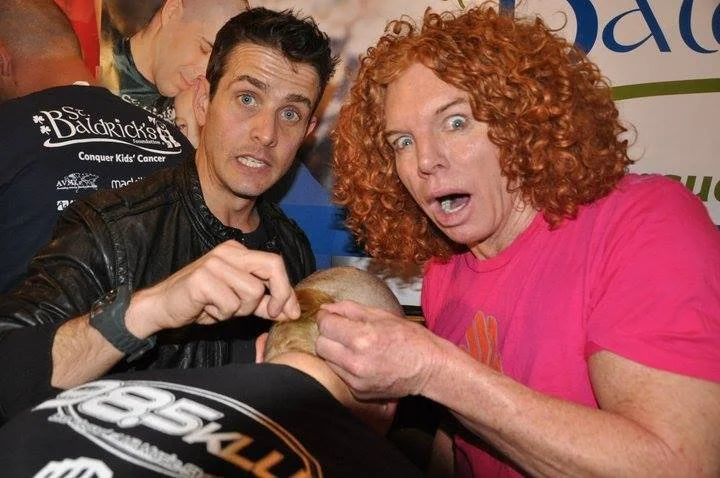
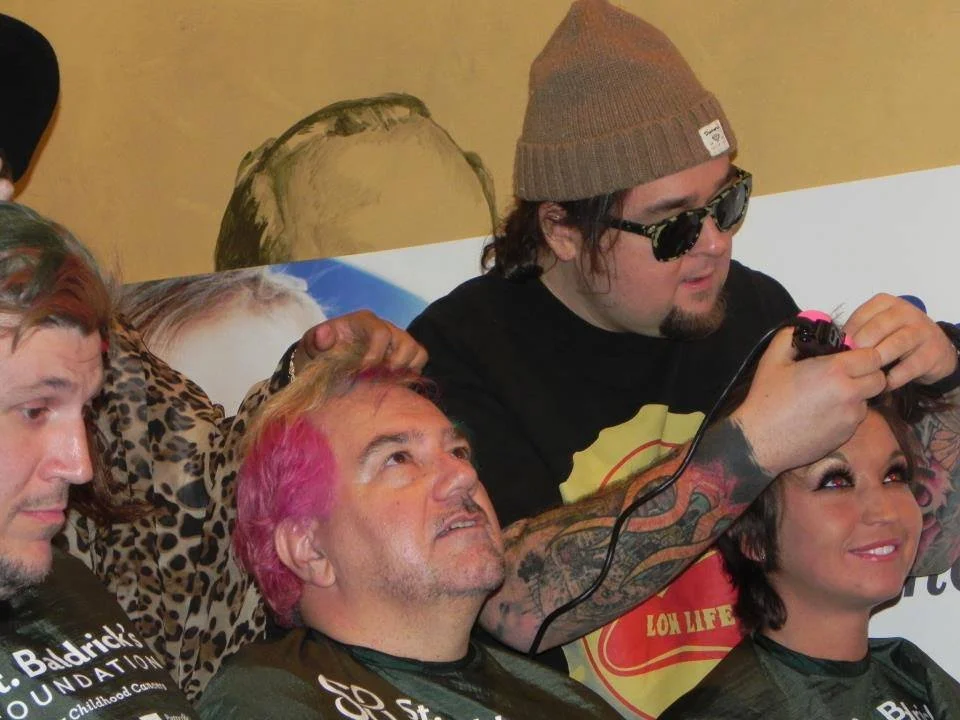
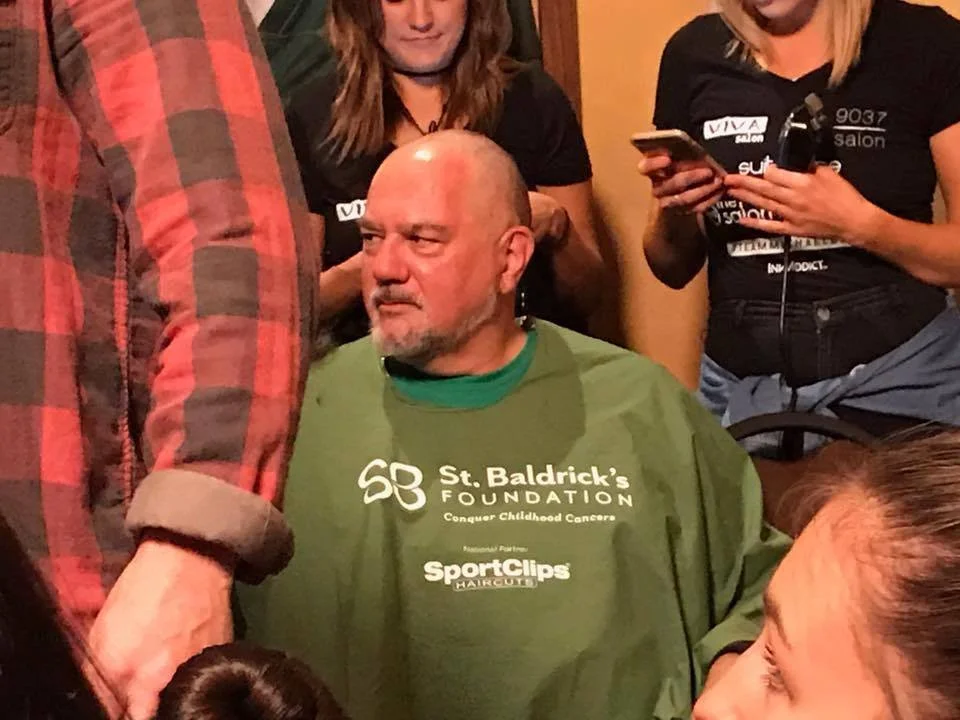
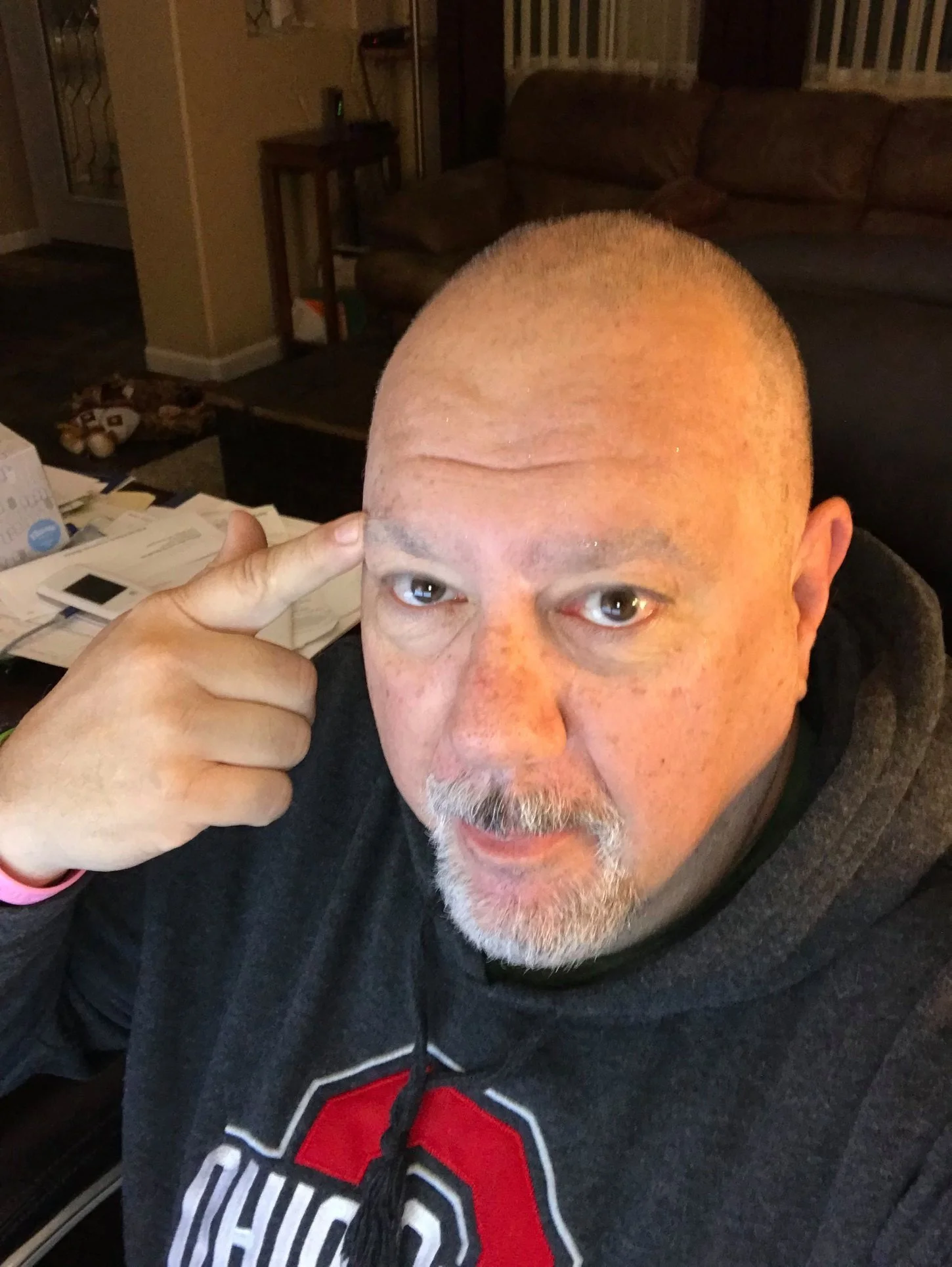
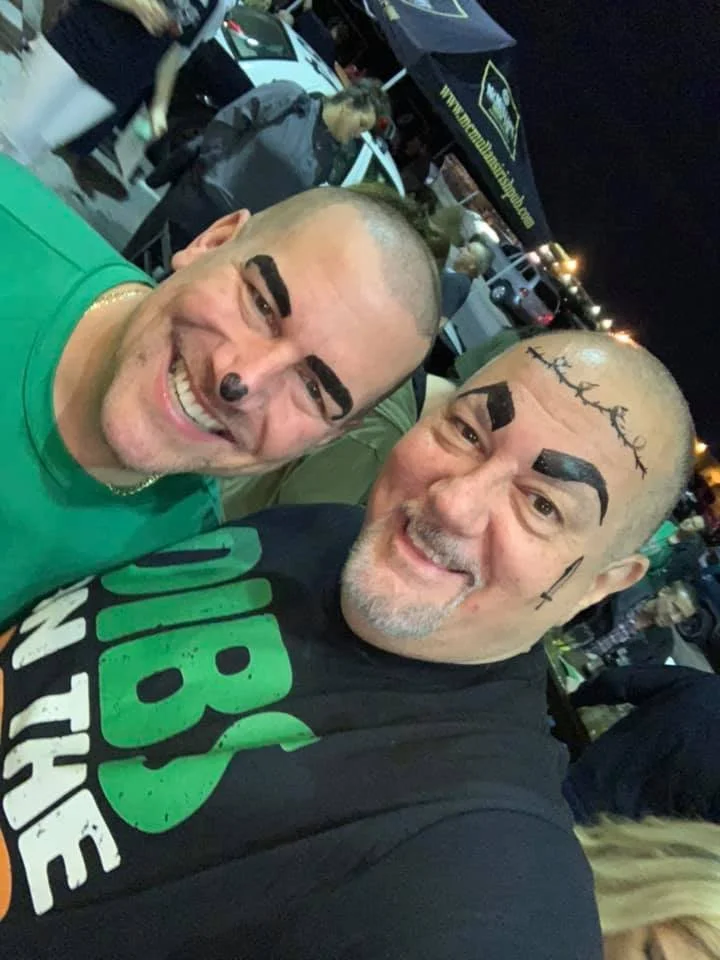
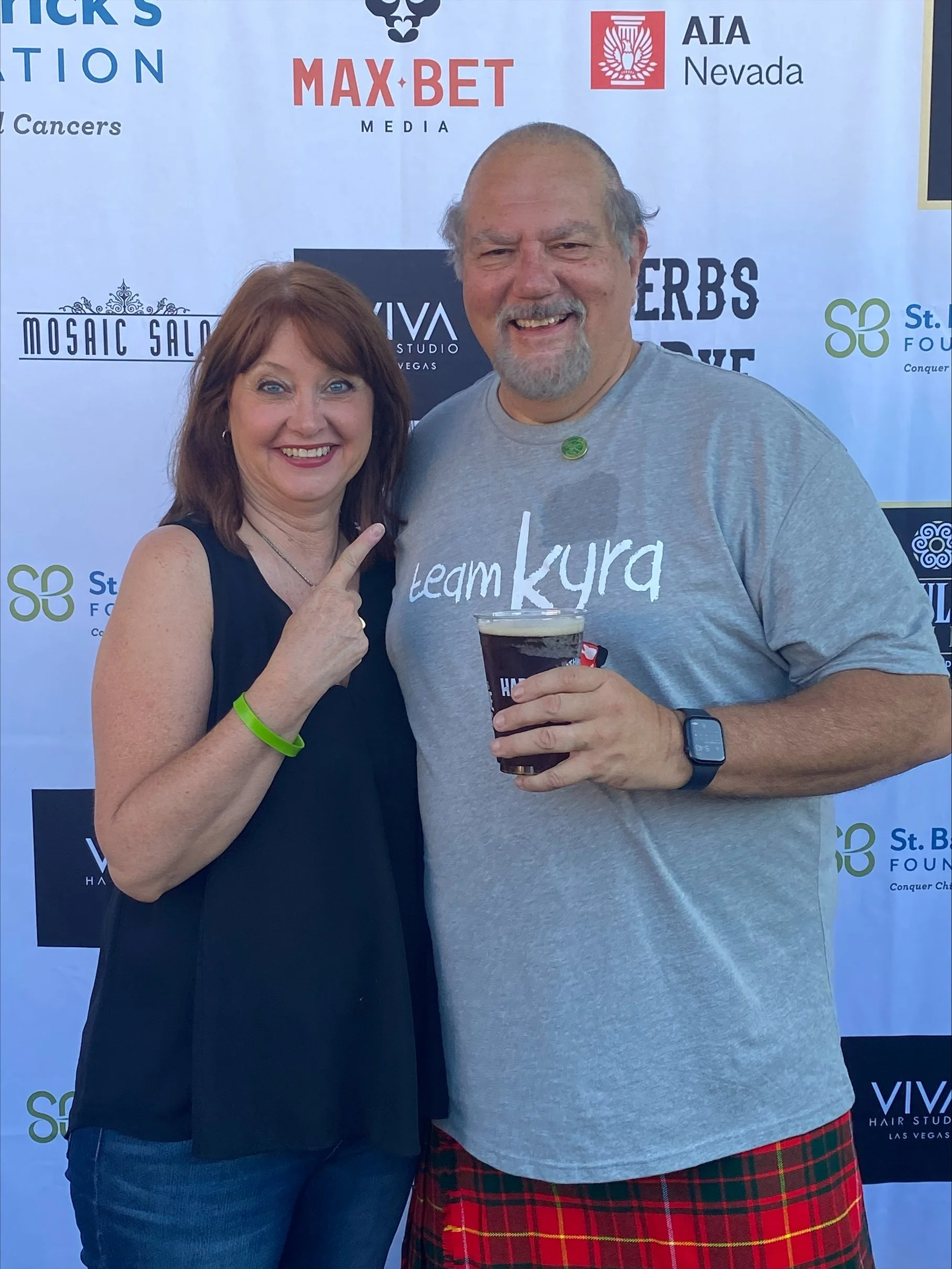
Every year for the last 17 years, I’ve shaved my head to raise money for the St. Baldrick’s Foundation for Childhood Cancer Research. What many people don’t know is that St. Baldrick’s was a big part of the Stem Cell research breakthrough. Through there funding of multiple research facilities, this breakthrough was one of the biggest in the last decade. If you get a minute, check out St. Baldrick’s to see all that they do to fight cancer. Like many, I have been affected in several ways. I lost my Mom when I was 4 years old to Ovarian Cancer. My sister in 2011 to Pancreatic cancer and one of my wife’s best friends who they were pregnant together and our sons were to be born about six weeks apart. Our son Robbie, was healthy. Our friend Aimee’s son, Jackson, was diagnosed with cancer within 2 months of birth. He lived 2 years before he died. If you have a dollar or two to spare, please consider donating to the cause. Here is the link: https://www.stbaldricks.org/participants/CatThomas2026 Also below is a gallery of photos from past events.
Five Things Everyone Should Learn On The Beach

Sometimes a break is what we need to gain perspective about the world around. Work, family, friends, and even perceptions. Sometimes we get so deep into what we do, especially in our work lives that we miss the obvious things. It’s seeing the forest through the trees. So I’ve compiled a quick list of five items that I learned on my vacation from the working world!
1) Take a Breath. Everyone loses a job, gets downsized, or gets replaced. For years if your ratings sagged, you got replaced. If you want to see insecurity, check out the coaching profession! You can win a championship, get a new contract and 18 months later, you are out. If you bring value to your mission, there is someone out there that will recognize it!
2) Be Self Aware. Too many people lament about being out of work. Most lack self-awareness. It is the “what I want”, vs “where is my true value.” I had a mentor once tell me the best exercise is to look yourself in the mirror and be honest. I loved being on the air, but there came a point where I looked myself in the mirror and realized that I could hire people more talented. So I decided to move in places where my strengths elevated my game. Success is always about putting the right butts in the right seats. I remember wanting to be a professional athlete when I was young. At some point I realized that was never going to happen. Life didn’t end, I just looked for something that fit my skill set. You don’t have to give up on your dreams, but you need to be self-aware enough to recognize what you do will and grow your capabilities.
3) Understand The Moment. Realize you are where you need to be at this point of your journey. When I was in my 20’s, I thought that I knew more than others with more experience. As I became more seasoned and my knowledge base grew, I realized I was not as smart as I thought I was. It reminds me of Guy Zapoleon’s “Cycle of Music”. As I got further in my career, I saw things repeat themselves. There are always variations, but the similarities and outcomes were a part of an already pre-determined cycle. For the young people today, Bell Bottoms are a horrible idea. You don’t think so today, but just wait and in 10 years, you will know I was right! The point is, don’t compare yourself to someone who has a more experience and gets paid for that knowledge. Instead, ask questions, learn and embrace where you are today. As my Dad used to tell me. When you are in your 20’s, your time is your biggest asset. Give it freely, treat everything as education and understand your opinion is not as valued as you believe it is. When you are in your 30’s, you will become more balanced. Your knowledge will start to become as valuable as your time. If you have done it right, from your 40’s and beyond, your knowledge will drive your livelihood. Never stop learning but now you are also a teacher to those coming up. Knowledge is power and power is a part of success. Use it to elevate not eliminate. By the way, my Dad became much smarter the older I got! Weird how that happens.
4) Never Fear Success. This has always been a tough one for me. Many times I have wanted to be entrepreneurial, but never in the fields of my expertise (or should I say, perceived expertise!). I have always felt more comfortable with a “stable” job. Maybe it was due to my family and wanting to make sure they had security. Maybe it was comfortable. Anyway, I was able to create a successful career for many years. I have built a network and have made great friendships along the way. To be honest, I’ve been very fortunate and I know that I had a lot of help along the way. However, the value placed on hard work and results are not rewarded as they have been in the past. If I could do one thing, it would have been to take more calculated risks and push out of my comfort zone. The one good thing…it’s never too late to start. Failure is scary, complacency is fatal.
5) Be Thankful. To me this has become the most important thing that I’ve learned…and like many lessons, I’ve learned it the hard way at times. I was like many others, when things go well, its all me. When things got a little sideways, well, someone other than me had to be to blame. The sooner I realized that almost no one becomes successful on their own, the easier it is to appreciate the help people gave me along the way. As I look back, I’m thankful for everyone who gave me guidance, who gave me opportunities, who gave me the finger (motivation works in mysterious ways!), and honestly, anyone who has given me time, effort, and friendship. Being thankful allows you to appreciate others and grow your network. Being thankful, being kind, and trying to do the right thing even when it’s hard costs little and usually pays off. Being a dick, usually doesn’t.
To AI or Not To AI?
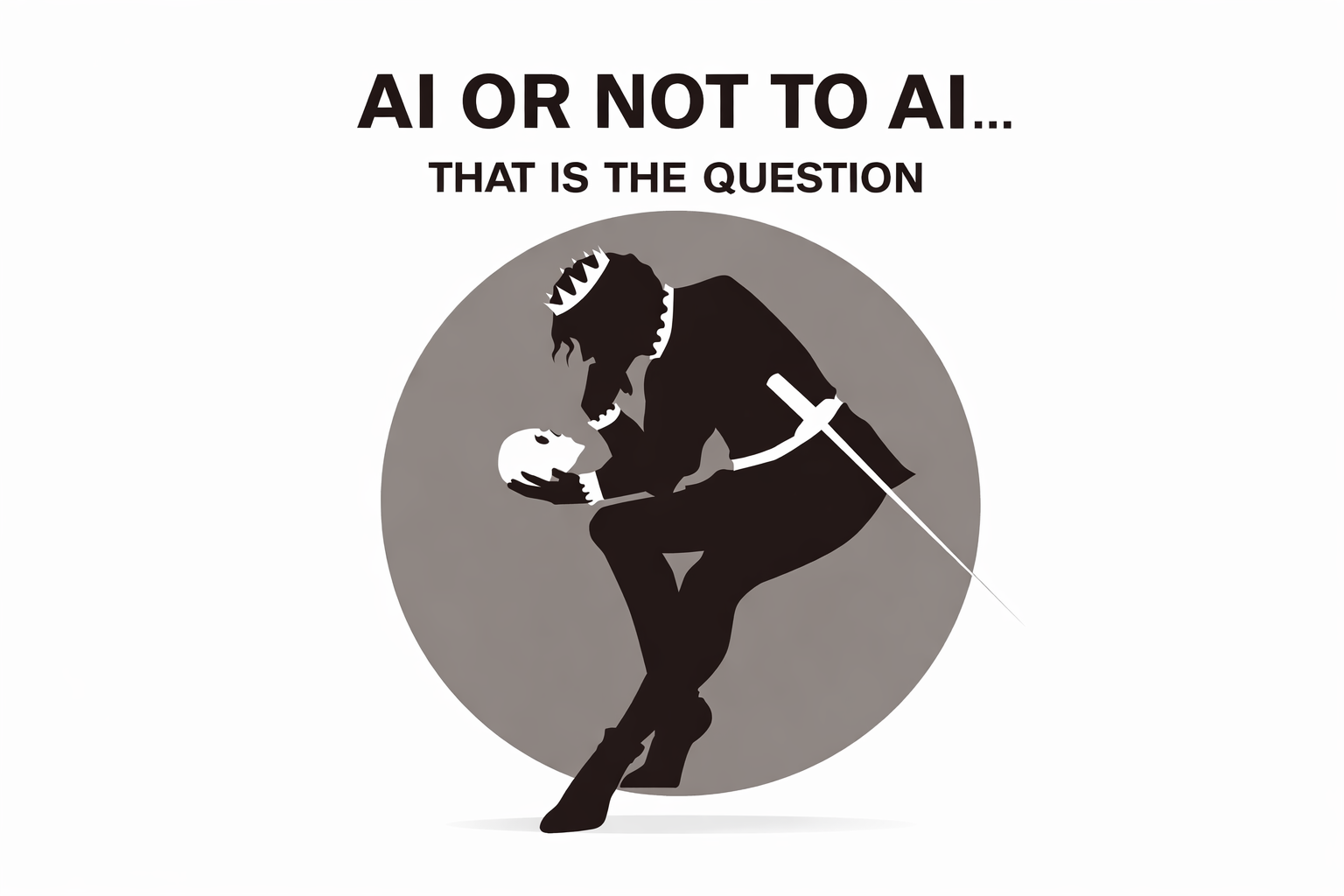
There is so much controversy about AI these days. In the news, on social media, and now in our daily lives. AI has become a great tool, and many of us ask Alexa or Google Home to turn on the lights or play a song! It is also annoying when you try to call a company to get anything accomplished. I’m betting everyone here has at one point told an AI operator, “REPRESENTATIVE” multiple times in a very loud voice. As AI moves from a tool to a source of information, content creation, and production, it is interesting to get everyone’s take on how it affects their lives. In my hood, we have a big Oktoberfest party every year. With a live band, beer tent, food, etc. I love it because all the neighbors pitch in to bring food, coolers, chairs, tables, and to help set up & tear down. (Special shout out to Garrett & Melissa, who do the heavy lifting in case they read this!) The best part is getting to know neighbors and having conversations with everyone. Being in the media business, it was like having my own focus group of 70-80 people. They spoke about everything in their lives. Sparking my interest was the discussion and perception of AI. How people are seeing it more and more, in memes, social media, and even the concern that it is affecting what they can trust online, on TV, and on the radio. So I asked, who do they trust? What I found out clicked in my weird branding brain…They trust people and sources with whom they have a relationship. One named a broadcaster that they knew personally. They trusted the personal conversations and information they shared. So, it seems that the best asset any brand has is its people. In an era where media outlets are trying to cut the human cost of operating, what they are actually cutting is their credibility and trust from their communities. In many cases, these cuts only lead to less success…and ultimately more cuts. AI is a great tool, but will AI ever be able to create the trust and credibility that is desired with a personal touch? Can AI be used by humans to create content and also create relationships? Is the best way for a brand to win by investing in people while using AI as a tool? I have my own opinions, but more importantly, what do you think?
I’m A Realist…Who Is Also An Optimist
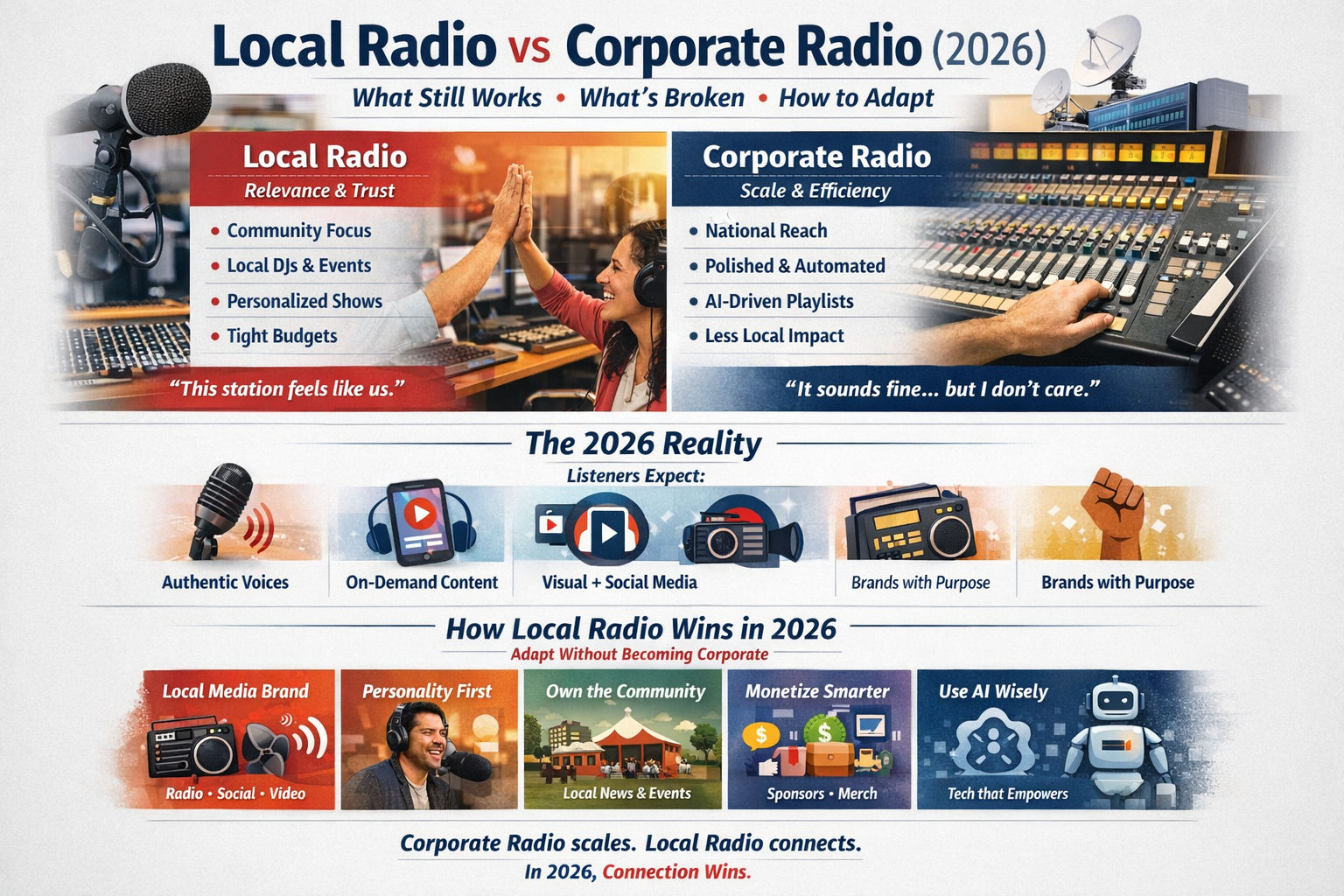
I saw a great post comparing the corporate radio world to local radio and all the wonderful things that could be if we were able to adopt the philosophies before consolidation. Local radio in my mind would be the goal. However, local rarely beats scale. I used to frequent the original Buffalo Wild Wings on campus at Ohio State. I used to bring back sauces and make wings for my staff at KLUC back in the day. Then B-Dubs franchised. One opened in Vegas, then seven. It became the spot for what we referred to as our “Friday Night Meetings”. Several staff members would meet there and brainstorm ideas for the station. The point is, B-Dubs went from being a spot on campus at Ohio State to one of the most successfull restaurants in America. Why? Scale.
Unfortunately, I'm a realist. I sat and broke down how the broadcast industry can recover the fun and excitement that drove the medium I grew up with and loved. There is only one way, and it would put major corporations out of business, but the only way to get there would be to re-regulate the industry. So, if I could wave a wand, here is how it would go...
1) There would be no foreign ownership of a licensed broadcast property.
2) No single company can own more than 80 signals nationally, and no more than 4 in a market. This would open up more individual ownership and diversity of programming.
3) You would need to change the Public Service rule to mandate at least three broadcast events per year that benefit the local community without profit to retain your license. You are allowed to cover expenses for those events, but beyond that, all profits must go to a community charity or betterment project. You can do more than 3 community events to derive profit, but there must be at least 3 that are pure community service.
4) These community service events would take the place of the PSA shows that get shoved into early Sunday morning, so those could be eliminated.
5) Next, you would need to limit the number of signals per market. Set up signal amounts based on market population. Basically, limiting one signal per 60,000 people in a market. The lowest limit cap being no less than 5 per market, and a cap of no more than 60 stations for the major markets.
By doing this for 10 years, we would prove to the market whether local radio can or cannot compete in a global world with streaming and other forms of digital media. It would be an interesting experiment.
Now...to be a realist, this will never happen in my lifetime. So it will take someone younger than me to press Congress to change the ownership rules, but from my lens, that is very far down the line, and that is if they (younger people) even care about preserving local radio at all. As I have told people, humans are the most adaptable species on the planet. Because if we weren't, we would all still be amoeba.
So the bottom line...that is a wish list. If we are going to be successful in 2026, we need to understand the landscape we are living in, and we all need to adapt and grow our skill sets beyond our comfort zone that we have lived in for most of our broadcast careers; otherwise, we are doomed to ride off into the sunset of irrelevancy. As I said, I'm a realist.
#change #leadership #growth #career #broadcasting